
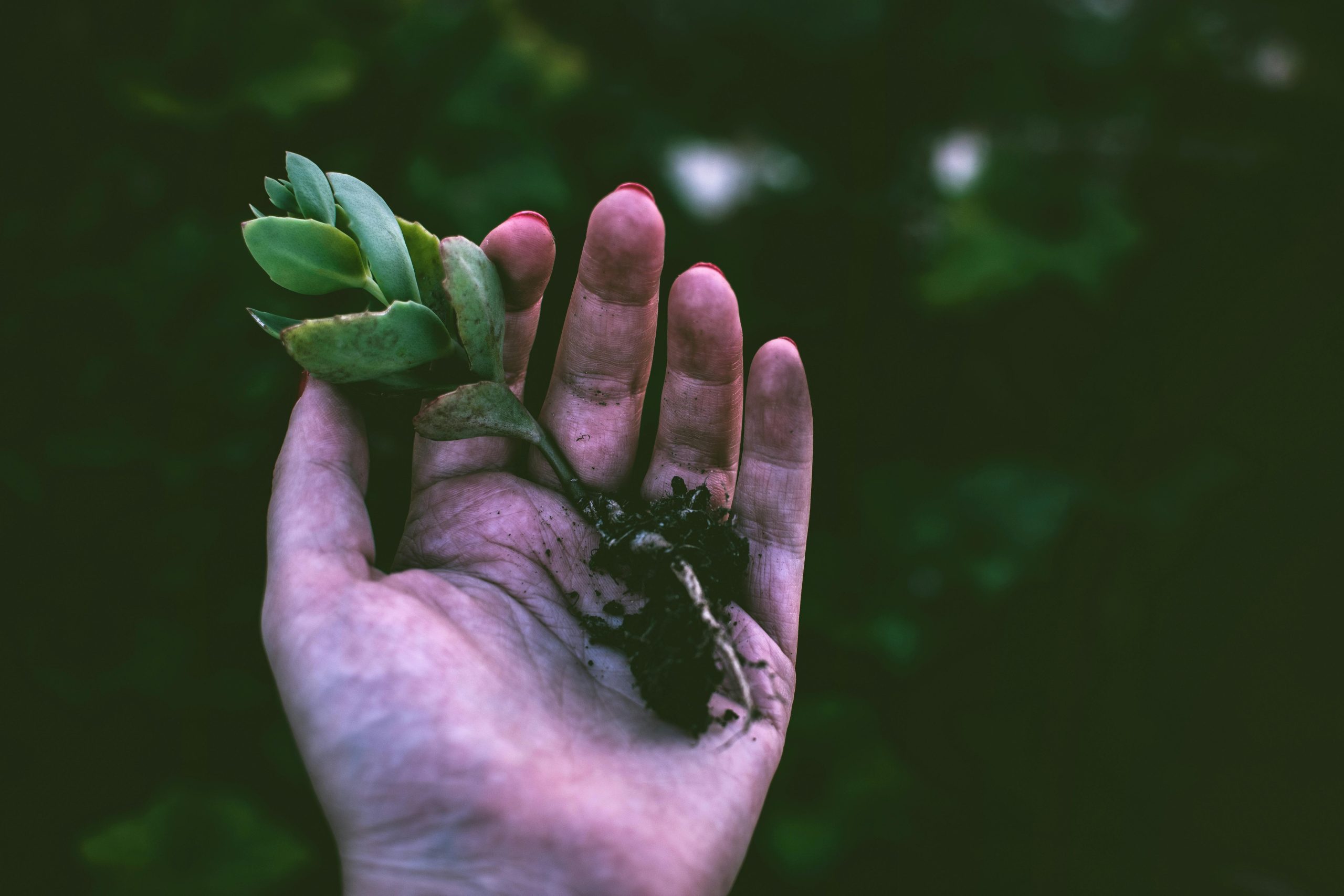
In a world ravaged by zombies, the quest for survival goes beyond merely evading the undead—it extends to finding sustainable sources of food. Traditional methods of agriculture may no longer be feasible, but with some ingenuity and adaptability, gardening can still play a crucial role in a post-apocalyptic setting. Here’s how you can cultivate a thriving garden amid the chaos of a zombie-infested world.
1. Choosing the Right Location
In a post-apocalyptic world, the safety of your garden site is paramount. Ideally, your garden should be:
- Secure and Hidden: Choose a location that’s not only out of sight from wandering zombies but also from other potentially hostile survivors. Fencing or barricades can help keep zombies at bay and provide some protection for your crops.
- Accessible and Defensible: While you want your garden to be hidden, it should also be easily accessible for tending and harvesting. Look for elevated areas or places with natural barriers that can serve as additional defenses.
2. Selecting Resilient Crops
With limited resources and possibly harsh conditions, it’s essential to select crops that are hardy and require minimal maintenance:
- Root Vegetables: Crops like potatoes, carrots, and beets are excellent choices. They are relatively easy to grow, can be stored for extended periods, and don’t require frequent harvesting.
- Leafy Greens: Plants like kale, spinach, and Swiss chard are nutrient-dense and grow quickly. They can also be harvested continuously as needed, providing a steady food source.
- Legumes: Beans and peas can improve soil fertility through nitrogen fixation and provide valuable protein. They also tend to be hardy and can grow in various conditions.
3. Utilizing Limited Resources
In a post-apocalyptic setting, resources are scarce, so you’ll need to make the most of what you have:
- Repurposing Materials: Use salvaged materials to build raised beds or containers. Old barrels, tires, and wooden pallets can be transformed into functional planters.
- Water Management: Efficient water use is crucial. Collect rainwater using makeshift gutters or store excess water from other sources. Drip irrigation systems can help conserve water and deliver it directly to the plant roots.
- Soil Enrichment: Enrich soil with compost made from kitchen scraps, animal manure, or other organic matter. Even in a zombie apocalypse, decomposition is a natural process that can be harnessed to improve soil quality.
4. Protection Strategies
Keeping your garden safe from zombies, pests, and environmental factors requires vigilance:
- Physical Barriers: Install fences or create barriers around your garden to keep zombies and animals away. Reinforced enclosures can also protect against weather damage.
- Camouflage: Use natural materials to blend your garden into its surroundings, making it less noticeable to both zombies and other survivors who might covet your resources.
- Pest Control: Employ natural pest control methods, such as companion planting or homemade repellents, to protect your crops without relying on commercial chemicals.
5. Sustainable Practices
Sustainability is key to long-term survival:
- Seed Saving: Save seeds from your harvest to ensure you have a continuous supply for future planting. This practice not only conserves resources but also helps maintain plant diversity.
- Crop Rotation: Rotate crops each season to prevent soil depletion and reduce the risk of disease. This approach helps maintain soil health and improve yields over time.
- Self-Sufficiency: Aim to grow a diverse range of crops to meet various nutritional needs. Incorporate herbs and medicinal plants into your garden to address health issues and enhance your diet.
Gardening in a post-apocalyptic world is far from straightforward, but with careful planning and resourcefulness, it’s a viable means of ensuring a steady food supply. By choosing resilient crops, maximizing limited resources, and employing robust protection strategies, you can create a sustainable garden that will contribute to your survival in a zombie-ridden landscape.
Surviving the zombie apocalypse involves more than just evading the undead; it requires adapting to new realities and finding innovative solutions for daily needs. With a bit of creativity and determination, your post-apocalyptic garden can become a crucial lifeline in these trying times.