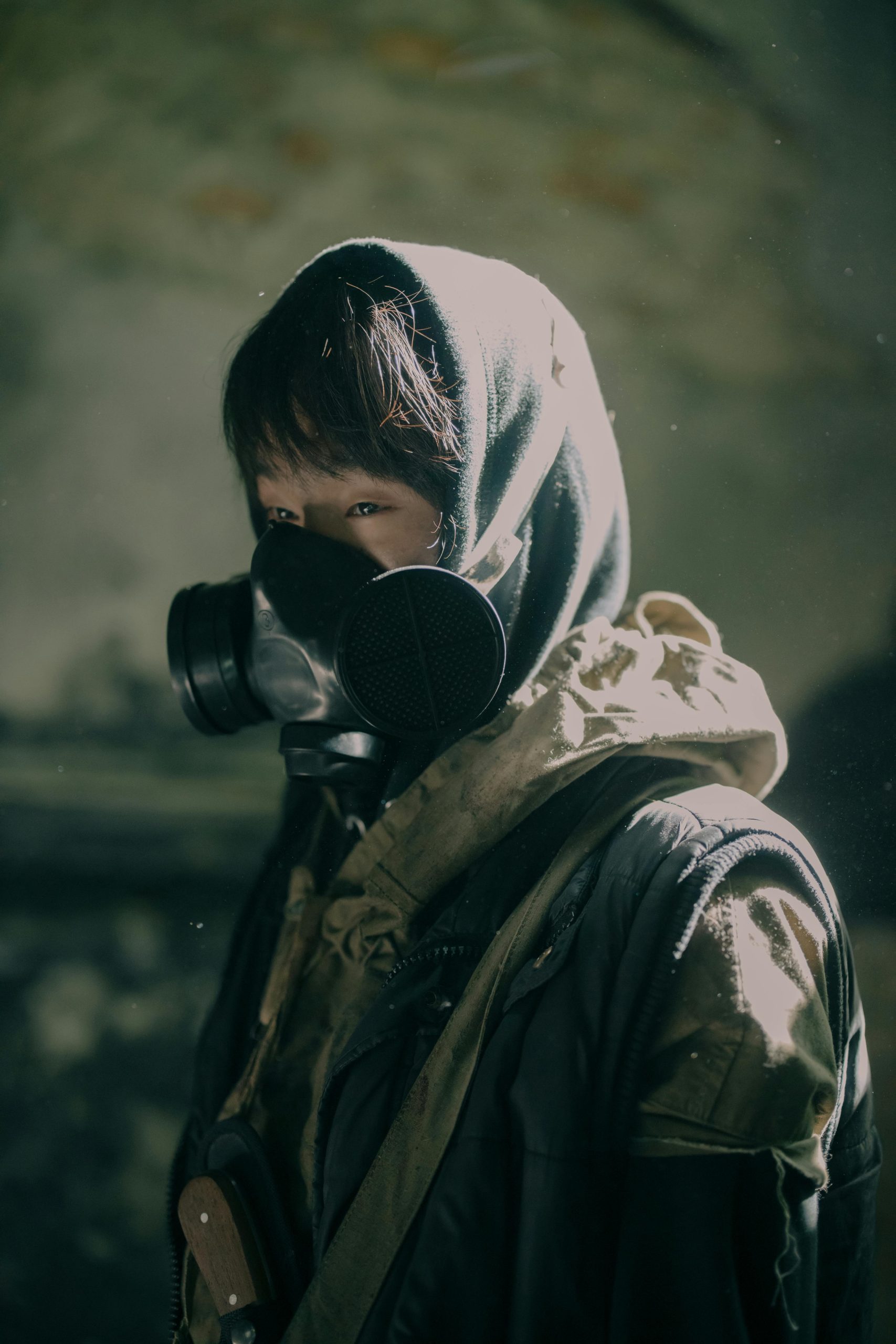
In a world where zombies have become a part of daily life, the ethical questions surrounding survival take on a new dimension. One particularly challenging dilemma is whether it’s acceptable to use resources or take items from the deceased—zombies or otherwise. This issue poses significant moral and practical questions for survivors. Here’s an exploration of the ethics involved in scavenging from the dead in a zombie apocalypse.
DIY Medical Care: Creating a Home Clinic for Zombie Injuries
In a world where zombies roam and traditional medical facilities are likely out of reach, having a well-equipped home clinic becomes a crucial part of survival. Creating your own medical care setup can make the difference between life and death when faced with injuries from the undead or other post-apocalyptic hazards. Here’s a guide to establishing an effective home clinic for treating zombie-related injuries and other medical emergencies.
Ethical Dilemmas in Genetic Research Amidst a Zombie Apocalypse
As a genetic researcher grappling with the complexities of a world overrun by zombies, I find myself confronting profound ethical dilemmas that transcend the boundaries of conventional scientific inquiry. In this blog post, I delve into the ethical considerations and moral challenges inherent in conducting genetic research amidst the chaos and devastation of the zombie apocalypse.
Preserving Human Dignity in Research
In the pursuit of understanding the zombie infection and developing potential treatments or vaccines, researchers must uphold principles of respect for human dignity and autonomy. Ethical frameworks, such as informed consent and protection of vulnerable populations, remain essential even in the face of global catastrophe. Balancing the urgency of scientific discovery with ethical responsibilities requires careful deliberation and adherence to ethical guidelines.
Ethical Use of Human and Non-Human Subjects
As resources dwindle and the pressure to find a cure intensifies, researchers may face difficult decisions regarding the use of human and non-human subjects in experimental studies. Striking a balance between scientific necessity and ethical considerations—such as minimizing harm, ensuring voluntary participation, and maintaining transparency—is paramount to maintaining ethical integrity amidst the moral complexities of the apocalypse.
Global Collaboration and Knowledge Sharing
In a world fragmented by chaos and isolation, fostering global collaboration and knowledge sharing becomes imperative for advancing scientific understanding and developing effective interventions against the zombie infection. Ethical considerations extend beyond individual research practices to encompass equitable access to research findings, promoting international cooperation, and addressing global health disparities amidst a global crisis.
Safeguarding Research Integrity and Security
Amidst the breakdown of societal norms and governance structures, ensuring research integrity and security becomes increasingly challenging. Establishing protocols for data management, maintaining confidentiality, and safeguarding research facilities from external threats are critical to preserving the integrity of scientific research and preventing exploitation in a vulnerable post-apocalyptic landscape.
Ethical Decision-Making in Crisis
As researchers navigate the ethical complexities of genetic research in a zombie-infested world, ethical decision-making frameworks—such as principles of beneficence, non-maleficence, and justice—guide actions and priorities. Upholding ethical standards amidst uncertainty and moral ambiguity underscores the enduring commitment to ethical conduct and responsible stewardship of scientific knowledge in the face of existential threats.
Conclusion: Ethical Imperatives in a Time of Crisis
In confronting the ethical dilemmas of genetic research amidst the chaos of a zombie apocalypse, researchers uphold the principles of integrity, compassion, and respect for human dignity. By integrating ethical considerations into scientific practice, we not only advance knowledge and innovation but also uphold the ethical imperatives that define our humanity.
As we navigate the uncharted territories of scientific inquiry amidst global catastrophe, let us remain steadfast in our commitment to ethical integrity, collaboration, and the pursuit of knowledge for the betterment of humanity.
Stay ethical, stay compassionate, and above all—stay vigilant.
Cognitive Resilience in the Face of Existential Threat: Psychological Strategies for Surviving the Zombie Apocalypse
As a scientist specializing in cognitive psychology and resilience, I am compelled to explore how individuals can maintain mental fortitude and adaptive strategies in the unprecedented scenario of a zombie apocalypse. While the undead pose a physical threat, the psychological challenges survivors face are equally daunting and crucial for long-term survival.
Understanding the Psychological Impact
In the wake of a zombie outbreak, survivors are thrust into a constant state of stress, fear, and uncertainty. The psychological impact of witnessing violence, loss of loved ones, and the constant threat of infection can lead to heightened anxiety, post-traumatic stress disorder (PTSD), and even despair. Understanding these psychological responses is essential for developing effective coping mechanisms.
Building Resilience Through Adaptation
Resilience—the ability to bounce back from adversity—becomes a critical trait for surviving the zombie apocalypse. By fostering cognitive flexibility and adaptability, survivors can better navigate unpredictable situations, make sound decisions under pressure, and maintain a sense of control amidst chaos. Strategies such as mindfulness techniques, cognitive reframing, and problem-solving skills training can enhance resilience and mental well-being.
Maintaining Social Bonds and Support Systems
Human connection is a fundamental source of emotional support and resilience in times of crisis. Encouraging survivors to form cohesive groups, share experiences, and support each other fosters a sense of belonging and solidarity. Strengthening social bonds not only mitigates feelings of isolation but also enhances collective resilience against the psychological toll of the apocalypse.
Coping with Loss and Grief
In a world where death is a constant companion, processing grief and loss becomes a recurring challenge. Providing psychological first aid, creating rituals for mourning, and fostering a compassionate community environment are crucial in helping survivors cope with profound loss and maintain emotional equilibrium amidst ongoing threats.
Empowering Hope and Meaning-Making
Amidst the devastation, cultivating hope and finding meaning in the struggle are powerful psychological resources. Encouraging survivors to set realistic goals, celebrate small victories, and envision a future beyond the apocalypse instills a sense of purpose and motivation. Engaging in activities that foster a sense of achievement, creativity, and altruism can sustain psychological well-being and hope for a brighter future.
Conclusion: Psychological Strategies for Survival
As a scientist dedicated to understanding human behavior in extreme conditions, I emphasize the importance of psychological resilience in the face of existential threats like the zombie apocalypse. By promoting adaptive coping strategies, fostering social support networks, and cultivating resilience through meaningful activities, survivors can navigate the psychological challenges of the apocalypse with courage and determination.
In the crucible of adversity, resilience becomes not just a survival mechanism but a testament to the indomitable spirit of humanity. As we explore the psychological dimensions of surviving the zombie apocalypse, we affirm the power of resilience in overcoming even the most formidable challenges.
Stay resilient, stay connected, and above all—stay hopeful.
Surviving the Scorching Sun: Essential Tips for Extreme Heat
By Dr. Samuel Blake, Post-Apocalyptic Biologist
In the post-apocalyptic world, extreme heat poses a significant threat to our survival. As temperatures soar, the risk of heat-related illnesses and dehydration increases. To ensure you stay safe and resilient during heatwaves, here are some essential survival tips:
1. Stay Hydrated
Water is your most vital resource in extreme heat. Dehydration can set in quickly, leading to heat exhaustion or heat stroke. Follow these guidelines to stay hydrated:
- Drink Plenty of Water: Aim for at least one gallon (4 liters) of water per day. In extreme heat, you may need more. Carry a water bottle with you at all times and take small sips regularly.
- Avoid Alcohol and Caffeine: These substances can dehydrate you further. Stick to water, electrolyte drinks, or natural juices.
- Monitor Urine Color: Dark urine indicates dehydration. Aim for pale yellow urine as a sign of proper hydration.
2. Seek Shade and Cool Areas
Avoid direct sunlight during the hottest parts of the day, usually between 10 a.m. and 4 p.m. Find or create shaded areas to protect yourself from the sun’s intense rays:
- Use Natural Shade: Seek refuge under trees, rocks, or any natural formations that provide shade.
- Create Shade: Use tarps, blankets, or emergency survival blankets to construct makeshift shelters.
- Utilize Buildings and Vehicles: If safe, take breaks in abandoned buildings or vehicles to escape the heat.
3. Wear Appropriate Clothing
The right clothing can make a significant difference in keeping you cool:
- Lightweight and Light-Colored Fabrics: Opt for loose-fitting, breathable clothing in light colors to reflect sunlight and allow air circulation.
- Wide-Brimmed Hats: Protect your face and neck from the sun with a wide-brimmed hat.
- Sunglasses: Wear sunglasses to protect your eyes from UV rays and reduce glare.
4. Plan and Adjust Your Activities
Minimize strenuous activities during peak heat hours:
- Early Morning and Late Evening: Perform physically demanding tasks during the cooler parts of the day.
- Pace Yourself: Take frequent breaks and rest in shaded areas to avoid overheating.
- Work in Pairs: If possible, work with a partner to monitor each other for signs of heat-related illnesses.
5. Recognize Heat-Related Illnesses
Being aware of the symptoms of heat-related illnesses can save lives:
- Heat Exhaustion: Symptoms include heavy sweating, weakness, dizziness, nausea, and headache. Move to a cooler place, drink water, and rest.
- Heat Stroke: This is a medical emergency. Symptoms include a high body temperature (104°F/40°C or higher), confusion, rapid pulse, and loss of consciousness. Seek immediate medical attention, move the person to a cool place, and try to cool them down with wet cloths or a cool bath.
6. Use Cooling Techniques
In addition to staying hydrated and seeking shade, use these methods to stay cool:
- Wet Cloths and Bandanas: Dampen cloths or bandanas with water and place them on your neck, wrists, and forehead.
- Misting Bottles: Use a spray bottle to mist your face and body with water.
- Improvised Air Conditioning: If you have access to a fan, use it in combination with wet cloths to create a cooling effect.
7. Maintain Your Health and Nutrition
Proper nutrition supports your body’s ability to cope with heat:
- Balanced Diet: Eat a diet rich in fruits, vegetables, and lean proteins. Avoid heavy, greasy meals that can increase your body’s heat production.
- Electrolytes: Ensure you replenish electrolytes lost through sweat. Consume electrolyte drinks, or make your own with water, salt, and a small amount of sugar.
Conclusion: Adapt and Overcome
Extreme heat is a formidable adversary in our post-apocalyptic world, but with the right strategies, you can adapt and thrive. Stay hydrated, seek shade, wear appropriate clothing, and be vigilant about recognizing and treating heat-related illnesses. By following these survival tips, you can increase your chances of enduring and overcoming the challenges posed by extreme heat.
Stay safe, stay cool, and remember: survival is about adaptation.
Dr. Samuel Blake is a leading expert in post-apocalyptic biology. He has spent the last decade studying the effects of environmental changes on human physiology and behavior. When not in the field, Dr. Blake shares his insights to help survivors adapt and thrive in this harsh new world.
The Scorching Apocalypse: How Extreme Heat Affects Zombies
By Dr. Samuel Blake, Post-Apocalyptic Biologist
In the realm of the undead, the unpredictable forces of nature often play a more significant role than the zombies themselves. As we navigate through this post-apocalyptic world, we must understand how environmental factors influence these creatures. Today, we delve into the effects of extreme heat on zombies.
The Basics of Zombie Biology
Zombies, as we know them, are reanimated corpses driven by an insatiable hunger for human flesh. Despite their lack of biological functions akin to living organisms, they still possess physical bodies that undergo changes when exposed to environmental conditions.
Decomposition Acceleration
One of the most apparent effects of extreme heat on zombies is the acceleration of decomposition. In living organisms, heat speeds up the activity of enzymes and bacteria that break down organic matter. Although zombies are not alive, their tissues are still subject to these natural processes. In temperatures exceeding 100°F (38°C), we observe a rapid breakdown of their flesh, causing them to become more fragile and less mobile. This accelerated decomposition might work in our favor, making it easier to fend off these relentless creatures.
Desiccation and Mobility Reduction
High temperatures cause dehydration, not only in living beings but also in the undead. Prolonged exposure to extreme heat leads to the desiccation of zombie tissues. As their flesh dries out, it becomes tougher and less flexible. This results in a significant reduction in their mobility. In desert regions or during heatwaves, zombies often become slow, brittle, and prone to falling apart, offering a temporary reprieve for survivors.
Fire Hazard and Combustibility
Heat and fire have long been considered effective weapons against zombies. Extreme heat increases the risk of spontaneous combustion in these creatures. With their desiccated bodies acting as kindling, a mere spark can ignite them into flames. Survivors should remain cautious, as burning zombies can pose additional threats. The fire might spread quickly, causing wildfires that can devastate surrounding areas and resources.
Behavioral Changes and Heat-Seeking Tendencies
While zombies are not known for their intelligence, extreme heat can influence their behavior. In the heat of the day, zombies might seek out cooler, shaded areas to avoid the intense sun. This creates patterns of movement that can be predictable and exploitable for strategic planning. Understanding these tendencies allows survivors to set traps and plan safe routes during peak temperatures.
Conclusion: Adapt and Survive
In the face of extreme heat, zombies are both weakened and dangerous. As survivors, we must adapt our strategies to exploit their vulnerabilities while remaining vigilant of the new hazards posed by the scorching environment. By studying and understanding the effects of heat on these undead creatures, we can better navigate our post-apocalyptic world and increase our chances of survival.
Stay safe, stay cool, and remember: the sun may be our new ally in the fight against the undead.
Dr. Samuel Blake is a leading expert in post-apocalyptic biology. He has spent the last decade studying the effects of environmental changes on zombie physiology and behavior in an effort to find a cure. When not in the field, Dr. Blake shares his insights to help survivors adapt and thrive in this harsh new world.
The Rise of the Undead: Understanding Zombie Infections
In the dark corners of our minds, zombies have long captivated us with their gruesome appearances and relentless hunger for human flesh. But what if a zombie infection were more than just a figment of our collective nightmares? To be prepared it is important to understand zombie infections, exploring their origins, symptoms, and the science behind the spread of these terrifying epidemics.
The Origin of the Zombies
The concept of zombies dates back to Haitian folklore, where the term “zombi” referred to a corpse reanimated through necromancy. This belief was rooted in voodoo traditions, where sorcerers were said to have the power to bring the dead back to life. Over time, the idea of the zombie evolved, and it has been an ongoing program of scientific study.
The Anatomy of a Zombie Infection
The infection is most often caused by a virus, similar to rabies, but with more catastrophic effects. Let’s break down the typical characteristics of a zombie infection:
- Transmission: Zombie infections are usually spread through bites or scratches from an infected individual. The saliva of the zombie contains the virus, which enters the bloodstream of the victim, leading to their eventual transformation.
- Incubation Period: The time between infection and the onset of symptoms can vary, but it is often rapid, ranging from a few minutes to several hours. This quick turnaround time adds to the horror, as victims see their loved ones transform before their eyes.
- Symptoms: Early symptoms resemble those of severe flu: fever, chills, and fatigue. As the infection progresses, neurological symptoms appear, including aggression, loss of coordination, and insatiable hunger for human flesh.
- Transformation: Once the virus takes full control, the infected individual loses all higher brain functions, becoming a mindless, flesh-eating zombie. This stage is marked by decaying flesh, vacant eyes, and a shuffling gait.
The Science
Zombie infections draw on real scientific principles to create a sense of plausibility. Here’s a look at some real-world examples that can help us understand a zombie-like outbreak:
- Rabies Virus: Rabies is a deadly virus that affects the central nervous system, causing inflammation of the brain. It can lead to symptoms such as aggression, hallucinations, and paralysis. The rapid onset and severe neurological effects make rabies a popular comparison in zombie fiction.
- Toxoplasmosis: This parasitic infection, caused by Toxoplasma gondii, can alter the behavior of infected animals, making them more prone to risk-taking. In a hypothetical scenario, a parasite that manipulates human behavior could contribute to zombie-like symptoms.
- Neurotoxins: Certain chemicals and toxins can induce a death-like state in humans. For instance, the pufferfish toxin tetrodotoxin can cause paralysis and a comatose state, which some have speculated could mimic the appearance of death.
Preventing A Zombie Apocalypse
The principles of infection control are crucial in preventing the spread of any contagious disease. Here are some tips that are grounded in good public health practices:
- Hygiene: Regular hand washing and sanitation can prevent the spread of many infectious agents.
- Quarantine: Isolating infected individuals can help contain an outbreak.
- Public Awareness: Educating the public about symptoms and prevention methods is key to controlling the spread of infections.
By understanding the science and continuing to study these infections, we can better understand these infectious diseases.