pexels-ketut-subiyanto-4623491

The Role of Artificial Intelligence in Zombie Combat: Enhancing Human Efforts

In a world where zombies are an ever-present threat, integrating Artificial Intelligence (AI) into our combat strategies is not just an option—it’s a necessity. AI technologies are revolutionizing our approach to battling the undead, offering crucial advancements in strategic planning, autonomous defense, and real-time operations. Here’s how AI can elevate our fight against zombies:

1. Strategic Planning and Simulation

Why AI Matters:
Strategic planning during a zombie outbreak is critical. Predicting zombie movements, managing safe zones, and allocating resources effectively are key to survival. AI can transform these processes through sophisticated simulations and predictive analytics.

How AI Helps:

  • Predictive Modeling: AI algorithms analyze historical data to forecast zombie behavior and movement patterns.
  • Resource Optimization: AI optimizes resource distribution based on predicted needs, maximizing our defensive capabilities.

Example:
AI-driven platforms like Simudyne model complex scenarios to help develop effective strategies. Simudyne

2. Autonomous Defense Systems

Why AI Matters:
Autonomous systems can provide real-time responses to zombie threats, acting faster than humans and reducing breaches in our defenses.

How AI Helps:

  • Robotic Sentinels: AI-powered drones and ground robots patrol and neutralize threats autonomously.
  • Smart Barriers: AI controls automated barriers that adapt to evolving threats.

Example:
The Boston Dynamics Spot robot, equipped with advanced AI, is ideal for patrol and reconnaissance tasks. Boston Dynamics

3. Enhanced Communication and Coordination

Why AI Matters:
Effective communication and coordination are essential for managing groups and responding to threats. AI enhances these aspects, streamlining updates and decision-making.

How AI Helps:

  • AI-Driven Communication Platforms: AI-integrated tools facilitate real-time updates and coordination between units.
  • Natural Language Processing: AI translates and relays critical information swiftly, overcoming language barriers.

Example:
AI-enhanced Slack platforms provide real-time analytics and decision support. Slack

4. Surveillance and Threat Detection

Why AI Matters:
Surveillance systems equipped with AI offer continuous monitoring and early warning of zombie threats. Advanced imaging and pattern recognition improve threat detection.

How AI Helps:

  • Facial Recognition and Movement Tracking: AI tracks and identifies zombies based on movement patterns and visual recognition.
  • Anomaly Detection: AI detects unusual behavior or breaches, triggering automatic alerts.

Example:
Hikvision’s AI-powered surveillance systems excel in motion detection and facial recognition. Hikvision

5. AI-Enhanced Training and Simulation

Why AI Matters:
Realistic training scenarios are crucial for preparing for a zombie apocalypse. AI provides immersive training environments and adapts scenarios based on performance.

How AI Helps:

  • Virtual Reality Training: AI-driven VR platforms create realistic training environments.
  • Adaptive Learning: AI adjusts training scenarios to ensure effective skill development.

Example:
VirtaMed offers AI-enhanced VR training modules for tactical and survival training. VirtaMed

Conclusion

The role of Artificial Intelligence in combating zombies is transformative. From strategic planning and autonomous defenses to enhanced communication and training, AI technologies are reshaping our approach to survival. By harnessing these advancements, we improve our chances of outsmarting the undead and securing our future. As AI continues to evolve, so will our strategies and solutions in this ongoing battle against the apocalypse.

Sources:

Zombie Readiness Society is not an affiliate of any the corporations below and receive no financial compensation if you click on the links.

pexels-cottonbro-4888470

The Best Zombie-Proof Gear You Need: Essential Equipment for Survival

In a world where the undead have become a daily threat, having the right gear is crucial for your survival. Whether you’re grappling with a full-blown zombie apocalypse or just participating in a themed event, equipping yourself with the best zombie-proof gear can make a significant difference. In this blog post, we’ll delve into the essential equipment designed to keep you safe and secure in the face of ongoing zombie incidents.

1. Durable Body Armor

Why You Need It: With zombies roaming freely and attacking with relentless aggression, body armor has become an essential piece of gear. It’s crucial to choose armor that is both lightweight and robust, offering protection against bites and scratches.

Recommended Gear:

  • Plate Carriers: These adjustable carriers can be fitted with various protective plates for enhanced safety.
  • Tactical Vests: Durable vests often come with multiple pockets for carrying additional supplies.

Example: The Condor MOPC (Modular Operator Plate Carrier) provides excellent protection and versatility, making it a top choice for defending against zombie threats.

2. Reliable Weapons

Why You Need It: In the face of ongoing zombie incidents, firearms and melee weapons remain your primary tools for defense. Opt for weapons that are reliable, easy to handle, and effective in neutralizing threats.

Recommended Gear:

  • Melee Weapons: Tools such as the SOG Tactical Tomahawk or Bowie Knife are useful for silent takedowns and conserving ammunition.

3. Survival Backpack

Why You Need It: A well-stocked survival backpack is vital for carrying essential supplies and gear, especially if you need to stay on the move for extended periods.

Recommended Gear:

  • Features: Choose backpacks with multiple compartments, hydration systems, and durable materials.
  • Size: Ensure it’s spacious enough to hold your gear while remaining manageable.

Example: The 5.11 Tactical RUSH72 is built for heavy-duty use, offering ample storage and organizational features.

4. First Aid Kit

Why You Need It: Injuries from zombie encounters or environmental hazards are inevitable. A comprehensive first aid kit can be a lifesaver when medical help is out of reach.

Recommended Gear:

  • Contents: Include bandages, antiseptics, antibiotics, and tools for treating wounds.
  • Size: Opt for a compact, portable kit for ease of mobility.

Example: The MyMedic MyFAK Pro is a highly-rated first aid kit equipped with a wide range of medical supplies.

5. Emergency Communication Devices

Why You Need It: Effective communication is crucial for coordinating with others and accessing vital information during zombie incidents.

Recommended Gear:

  • Two-Way Radios: Essential for short-range communication and group coordination.
  • Satellite Phones: Useful for long-range communication when conventional networks are down.

Example: The Garmin inReach Explorer+ offers both GPS navigation and satellite messaging capabilities, ensuring you stay connected even in remote areas.

6. Water Purification System

Why You Need It: Access to clean water is non-negotiable for survival. A portable water purification system guarantees you can safely drink even in dire circumstances.

Recommended Gear:

  • Filters: Choose compact, high-efficiency filters capable of handling various contaminants.
  • Purification Tablets: Handy for emergency situations where filtration is not feasible.

Example: The LifeStraw Personal Water Filter is highly portable and effective for immediate water purification.

Dealing with a world where zombie incidents are commonplace requires more than just accumulating gear—it demands careful selection of the right equipment to ensure your survival. By investing in durable body armor, reliable weapons, a well-stocked survival backpack, a comprehensive first aid kit, effective communication devices, and a reliable water purification system, you’ll be well-prepared to face any undead challenge.

Stay safe, stay prepared, and remember: when it comes to surviving the zombie apocalypse, having the best gear can make all the difference.

Sources:

ZRS is not an affiliate of any of the below corporations and receive no financial benefit if you click on the links.

pexels-anete-lusina-5721092

Cognitive Resilience in the Face of Existential Threat: Psychological Strategies for Surviving the Zombie Apocalypse

As a scientist specializing in cognitive psychology and resilience, I am compelled to explore how individuals can maintain mental fortitude and adaptive strategies in the unprecedented scenario of a zombie apocalypse. While the undead pose a physical threat, the psychological challenges survivors face are equally daunting and crucial for long-term survival.

Understanding the Psychological Impact

In the wake of a zombie outbreak, survivors are thrust into a constant state of stress, fear, and uncertainty. The psychological impact of witnessing violence, loss of loved ones, and the constant threat of infection can lead to heightened anxiety, post-traumatic stress disorder (PTSD), and even despair. Understanding these psychological responses is essential for developing effective coping mechanisms.

Building Resilience Through Adaptation

Resilience—the ability to bounce back from adversity—becomes a critical trait for surviving the zombie apocalypse. By fostering cognitive flexibility and adaptability, survivors can better navigate unpredictable situations, make sound decisions under pressure, and maintain a sense of control amidst chaos. Strategies such as mindfulness techniques, cognitive reframing, and problem-solving skills training can enhance resilience and mental well-being.

Maintaining Social Bonds and Support Systems

Human connection is a fundamental source of emotional support and resilience in times of crisis. Encouraging survivors to form cohesive groups, share experiences, and support each other fosters a sense of belonging and solidarity. Strengthening social bonds not only mitigates feelings of isolation but also enhances collective resilience against the psychological toll of the apocalypse.

Coping with Loss and Grief

In a world where death is a constant companion, processing grief and loss becomes a recurring challenge. Providing psychological first aid, creating rituals for mourning, and fostering a compassionate community environment are crucial in helping survivors cope with profound loss and maintain emotional equilibrium amidst ongoing threats.

Empowering Hope and Meaning-Making

Amidst the devastation, cultivating hope and finding meaning in the struggle are powerful psychological resources. Encouraging survivors to set realistic goals, celebrate small victories, and envision a future beyond the apocalypse instills a sense of purpose and motivation. Engaging in activities that foster a sense of achievement, creativity, and altruism can sustain psychological well-being and hope for a brighter future.

Conclusion: Psychological Strategies for Survival

As a scientist dedicated to understanding human behavior in extreme conditions, I emphasize the importance of psychological resilience in the face of existential threats like the zombie apocalypse. By promoting adaptive coping strategies, fostering social support networks, and cultivating resilience through meaningful activities, survivors can navigate the psychological challenges of the apocalypse with courage and determination.

In the crucible of adversity, resilience becomes not just a survival mechanism but a testament to the indomitable spirit of humanity. As we explore the psychological dimensions of surviving the zombie apocalypse, we affirm the power of resilience in overcoming even the most formidable challenges.

Stay resilient, stay connected, and above all—stay hopeful.

pexels-cottonbro-4888482

Surviving the Scorching Sun: Essential Tips for Extreme Heat

By Dr. Samuel Blake, Post-Apocalyptic Biologist

In the post-apocalyptic world, extreme heat poses a significant threat to our survival. As temperatures soar, the risk of heat-related illnesses and dehydration increases. To ensure you stay safe and resilient during heatwaves, here are some essential survival tips:

1. Stay Hydrated

Water is your most vital resource in extreme heat. Dehydration can set in quickly, leading to heat exhaustion or heat stroke. Follow these guidelines to stay hydrated:

  • Drink Plenty of Water: Aim for at least one gallon (4 liters) of water per day. In extreme heat, you may need more. Carry a water bottle with you at all times and take small sips regularly.
  • Avoid Alcohol and Caffeine: These substances can dehydrate you further. Stick to water, electrolyte drinks, or natural juices.
  • Monitor Urine Color: Dark urine indicates dehydration. Aim for pale yellow urine as a sign of proper hydration.

2. Seek Shade and Cool Areas

Avoid direct sunlight during the hottest parts of the day, usually between 10 a.m. and 4 p.m. Find or create shaded areas to protect yourself from the sun’s intense rays:

  • Use Natural Shade: Seek refuge under trees, rocks, or any natural formations that provide shade.
  • Create Shade: Use tarps, blankets, or emergency survival blankets to construct makeshift shelters.
  • Utilize Buildings and Vehicles: If safe, take breaks in abandoned buildings or vehicles to escape the heat.

3. Wear Appropriate Clothing

The right clothing can make a significant difference in keeping you cool:

  • Lightweight and Light-Colored Fabrics: Opt for loose-fitting, breathable clothing in light colors to reflect sunlight and allow air circulation.
  • Wide-Brimmed Hats: Protect your face and neck from the sun with a wide-brimmed hat.
  • Sunglasses: Wear sunglasses to protect your eyes from UV rays and reduce glare.

4. Plan and Adjust Your Activities

Minimize strenuous activities during peak heat hours:

  • Early Morning and Late Evening: Perform physically demanding tasks during the cooler parts of the day.
  • Pace Yourself: Take frequent breaks and rest in shaded areas to avoid overheating.
  • Work in Pairs: If possible, work with a partner to monitor each other for signs of heat-related illnesses.

5. Recognize Heat-Related Illnesses

Being aware of the symptoms of heat-related illnesses can save lives:

  • Heat Exhaustion: Symptoms include heavy sweating, weakness, dizziness, nausea, and headache. Move to a cooler place, drink water, and rest.
  • Heat Stroke: This is a medical emergency. Symptoms include a high body temperature (104°F/40°C or higher), confusion, rapid pulse, and loss of consciousness. Seek immediate medical attention, move the person to a cool place, and try to cool them down with wet cloths or a cool bath.

6. Use Cooling Techniques

In addition to staying hydrated and seeking shade, use these methods to stay cool:

  • Wet Cloths and Bandanas: Dampen cloths or bandanas with water and place them on your neck, wrists, and forehead.
  • Misting Bottles: Use a spray bottle to mist your face and body with water.
  • Improvised Air Conditioning: If you have access to a fan, use it in combination with wet cloths to create a cooling effect.

7. Maintain Your Health and Nutrition

Proper nutrition supports your body’s ability to cope with heat:

  • Balanced Diet: Eat a diet rich in fruits, vegetables, and lean proteins. Avoid heavy, greasy meals that can increase your body’s heat production.
  • Electrolytes: Ensure you replenish electrolytes lost through sweat. Consume electrolyte drinks, or make your own with water, salt, and a small amount of sugar.

Conclusion: Adapt and Overcome

Extreme heat is a formidable adversary in our post-apocalyptic world, but with the right strategies, you can adapt and thrive. Stay hydrated, seek shade, wear appropriate clothing, and be vigilant about recognizing and treating heat-related illnesses. By following these survival tips, you can increase your chances of enduring and overcoming the challenges posed by extreme heat.

Stay safe, stay cool, and remember: survival is about adaptation.


Dr. Samuel Blake is a leading expert in post-apocalyptic biology. He has spent the last decade studying the effects of environmental changes on human physiology and behavior. When not in the field, Dr. Blake shares his insights to help survivors adapt and thrive in this harsh new world.

Knife

Melee Weapons: Always A Good Choice


Melee weapons are close-combat weapons that don’t require ammunition, making them highly valuable in situations like a zombie apocalypse where ammunition might be scarce. Here are some examples of melee weapons:

  1. Baseball Bat: A sturdy baseball bat, especially if it’s made of aluminum, can be a very effective weapon. Some people modify their bats by wrapping barbed wire or nails around them for extra lethality.
  2. Machete: This is a classic choice for a melee weapon due to its sharp blade and relatively lightweight, allowing for swift, chopping strikes that can be critical for fending off attackers.
  3. Crowbar: Useful not only as a weapon but also as a tool for prying open doors and moving heavy objects. Its solid metal construction makes it a durable choice.
  4. Axe: Both a tool and a weapon, an axe can deliver devastating blows and chop through obstacles as well as zombie skulls.
  5. Knife: Although it requires getting closer to the threat, a sturdy survival knife can be essential for defense in a pinch. It’s also handy for general utility tasks around your shelter.
  6. Spear: Spears can be made from long poles with a sharpened end or with a knife attached to the end. They allow for keeping zombies at a distance, which is a significant advantage.
  7. Sledgehammer: Heavy and requiring more strength to use effectively, a sledgehammer can crush skulls with a single blow but might be slower to wield compared to lighter options.
  8. Katana: For those who are trained, a katana can be a highly effective slicing weapon. Its sharp, long blade allows for precise cuts and can potentially decapitate a zombie in one swing.

Each of these weapons has its advantages and drawbacks, and choosing the right one can depend on your physical strength, skill level, and the situation at hand. Always consider the environment and the type of threats you expect to face when selecting your primary melee weapon.

Cover2b

How to Survive a Zombie Attack: A Comprehensive Guide

In the event of a zombie attack, being prepared can mean the difference between life and death. This guide provides essential tips on how to survive a zombie attack by focusing on preparation, defense, and survival strategies. Whether you’re a fan of horror movies or just curious about emergency preparedness, these guidelines will help ensure you’re ready for any undead disturbances.

1. Preparation: Stock Up and Plan Ahead

Gather Supplies: Stockpile non-perishable food, water, first aid kits, and other essentials like batteries, flashlights, and a radio. Calculate supplies for at least a month, assuming you might need to stay isolated until the situation is under control.

Secure Your Shelter: Reinforce your home by boarding up windows and securing doors. Consider a safe room with a single entry point for easy defense. If possible, choose a location with multiple exits and no lower ground access.

Form a Survival Group: Survival is often better in numbers. Form a group with trusted friends or family members. Share skills and assign roles, such as resource management, security, and first aid.

2. Defense: Keep the Zombies Out

Understand Your Enemy: Zombies are typically portrayed as slow-moving and driven by basic predatory instincts. Take advantage of their predictability by setting up traps and secure perimeters.

Weapons and Tools: Arm yourself with both melee and ranged weapons. Melee weapons are silent and can be effective for close encounters, while ranged weapons are suitable for keeping zombies at bay from a distance.

Stay Silent: Noise attracts zombies. Keep your shelter quiet and avoid unnecessary travel. If you must leave your home, move stealthily and avoid confrontations.

3. Survival Strategies: Stay Safe, Stay Smart

Stay Informed: Use any available media, such as radio broadcasts, to stay updated on safe zones and rescue operations. Knowledge is power in a crisis.

Maintain Physical and Mental Health: Exercise regularly to keep your body strong and agile, which is essential for dealing with potential threats. Also, manage stress and mental health to maintain clear judgment.

Practice Emergency Drills: Regularly practice your escape routes, zombie encounters, and emergency protocols. Preparedness reduces panic and increases the chances of survival.

Sustainable Living: If the situation prolongs, consider growing your own food and collecting rainwater. Sustainability can be crucial in long-term scenarios.

4. Conclusion: Hope for the Best, Prepare for the Worst

In reality, a zombie apocalypse remains a fictional scenario, but the preparedness strategies outlined here can also be useful in natural disasters or other emergencies. Staying calm, informed, and prepared are your best tools for survival in any crisis. Remember, the goal is not just to survive, but to thrive—even in the face of zombies. Stay safe!

This guide aims to equip you with the knowledge and skills to effectively handle a terrifying situation. Whether it’s a zombie outbreak or any other unexpected event, being well-prepared is always your best defense.

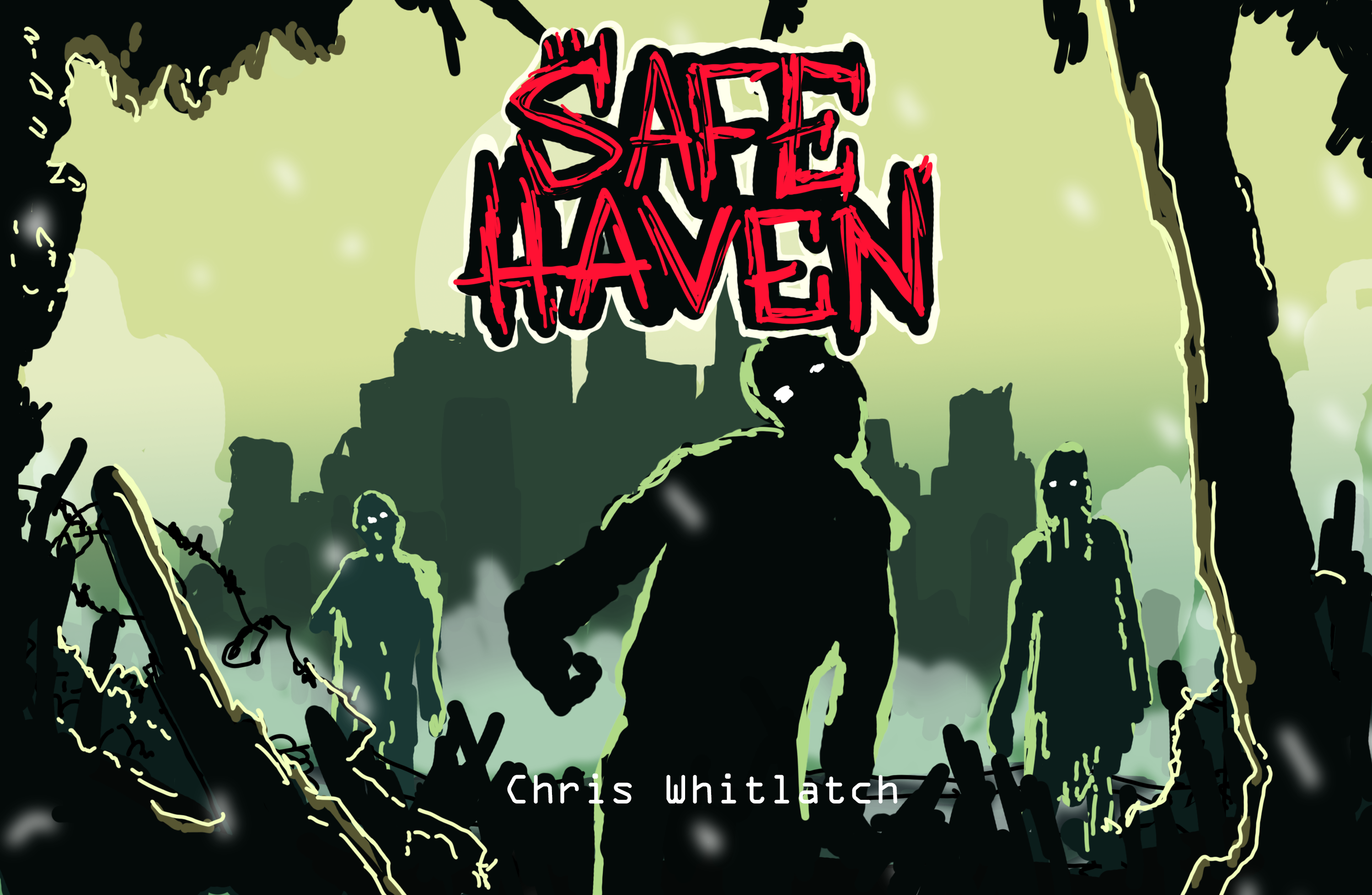
Want to practice? Our Safe Haven Game is fun and will equip you with skills to survive the next zombie attack.