
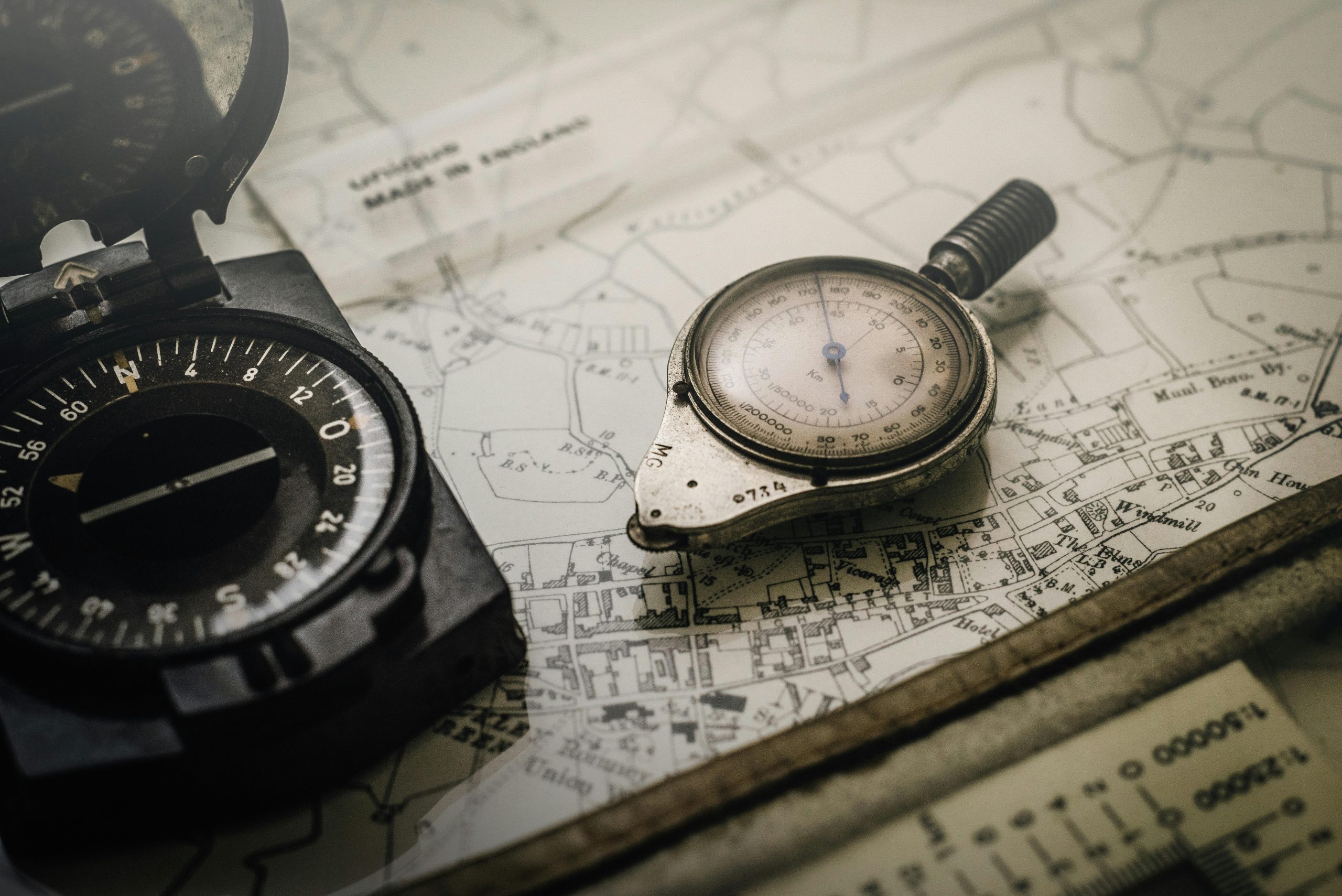
In a world where zombies are a very real threat, the ability to navigate through both urban areas and the wilderness is crucial for survival. Whether you’re trying to avoid a growing horde of zombies or seeking refuge in an isolated, safer location, it’s essential to be able to move efficiently without relying on technology—especially GPS. In emergencies, you might not have access to cell towers or reliable internet connections, making it vital to rely on traditional navigation skills. Here’s how you can successfully travel through cities and wilderness, using time-tested methods to find your way.
1. Navigating the City Without GPS
Cities are packed with resources but also dangers, especially when zombies are in the mix. Navigating the urban jungle without GPS requires a combination of planning, situational awareness, and basic map-reading skills.
Study Local Maps and Landmarks
Before venturing into any urban area, familiarize yourself with a paper map of the city. Physical maps won’t rely on a cell signal and can help you plan your route, identifying key locations like safehouses, supplies, and escape routes. Pay attention to landmarks like rivers, parks, major streets, and bridges that will help guide your way.
When navigating, focus on easily recognizable natural and man-made landmarks. For example, large public buildings, towers, or distinctive street intersections can help you reorient yourself if you get disoriented.
Use the Sun to Guide Your Way
The sun can be a helpful tool when you need to maintain a general sense of direction. In the northern hemisphere, the sun rises in the east and sets in the west. During the day, the sun’s position can help you keep track of cardinal directions. If you know where the sun is in relation to you, you can navigate without the need for digital devices. You can also use a basic compass to help orient yourself.
Know the City Layout
Familiarize yourself with the basic layout of a city. Most cities follow a grid system, with numbered streets running east-west and avenues running north-south. Understanding this grid will help you move efficiently from one place to another. For example, if you know that a major road is two blocks away, you can estimate how long it will take to reach it without needing real-time directions.
Keep Quiet and Stealthy
When moving through urban environments, especially if zombies are nearby, it’s important to stay quiet and move discreetly. Avoid busy areas and large crowds, as they can attract zombies. Stick to side streets, alleys, and rooftops when possible to avoid being seen or heard. When traveling at night, use the darkness to your advantage, staying in shadowed areas to reduce the chance of detection.
2. Navigating the Wilderness Without GPS
The wilderness poses a different set of challenges, but it’s still possible to travel without relying on modern technology. When you’re far from civilization, basic skills like map reading, using a compass, and understanding natural navigation will keep you safe.
Use a Compass and Map
A paper map and compass are your most reliable tools in the wilderness. The compass will help you identify cardinal directions, while the map will give you an overview of the area, including trails, rivers, and other natural features. Before setting out, make sure you know the location of key landmarks—such as mountains, lakes, or rivers—that can serve as navigation aids.
As you travel, use the compass to ensure you’re staying on course. Take regular bearings to confirm that you’re still moving in the right direction. Keep track of your location on the map, identifying major landmarks to confirm your progress.
Read Natural Signs
Mother Nature provides its own forms of navigation. The position of the sun, the stars at night, and even the growth patterns of trees can provide clues about direction. In the northern hemisphere, for example, moss typically grows on the north side of trees, as it prefers the damp and shaded side. Similarly, certain types of trees or rock formations may indicate you’re heading towards a river or a natural landmark.
Follow Water Sources
Rivers, streams, and lakes are key natural features that can help guide you through the wilderness. Water sources generally flow towards lower elevation areas, so following a stream or river can lead you to safety or other key locations. However, be cautious, as zombies may also follow water sources, so always remain alert for signs of danger.
Look for Trails
If you’re in a more remote wilderness area, trails can be your best friend. Old hiking or animal trails are perfect for travel, as they indicate a path that others have used before. Following these trails will help you avoid wandering aimlessly and conserve energy. When walking on a trail, keep an eye out for signs of previous human activity, such as abandoned campsites or markers that indicate a safe route.
3. Crossing Between City and Wilderness
Moving between urban and wilderness environments can be dangerous, and doing so without GPS requires careful planning.
Know Your Entry and Exit Points
If you’re traveling from the city into the wilderness, identify key entry points such as parks, riversides, or trails that lead out of the urban sprawl. These spots are often safer and less crowded, offering a clear path into more isolated areas. Conversely, when returning to the city, make sure you have a good understanding of which entry points lead you to safe locations away from zombie concentrations.
Time Your Travel
Traveling between the city and wilderness should be done during periods of low risk. In urban areas, travel at night when zombies are less active and the streets are quieter. Similarly, when entering the wilderness, aim to arrive during the day so you can better orient yourself. If you must travel at night in the wilderness, use a headlamp with a red light to preserve your night vision and avoid drawing attention to yourself.
4. General Travel Tips Without GPS
Regardless of where you’re traveling, here are some general tips to ensure safe and successful navigation:
Travel in Groups
If possible, travel with others. Groups can help keep an eye out for threats, provide moral support, and share resources. Traveling with others also increases your chances of survival should something go wrong, as there’s always someone available to help in an emergency.
Pack Wisely
When traveling without GPS, make sure to bring essential gear such as a map, compass, first-aid kit, water purification tools, and sufficient food. Lightweight and portable gear is ideal, but don’t sacrifice important items that could help you in a crisis. The key to survival is preparation.
Stay Alert
Whether you’re navigating a bustling city or the quiet wilderness, always remain vigilant. Look out for potential dangers, including zombies or hostile survivors. Trust your instincts and be prepared to alter your route if necessary.
Conclusion: Adapting to a GPS-Free World
While navigating without GPS might seem challenging in a world where zombies roam, it’s a crucial skill for survival. By using traditional tools like paper maps and compasses, learning to read natural signs, and staying alert, you can successfully travel through cities and wilderness without the reliance on technology. In times of crisis, preparation, adaptability, and awareness are your greatest assets. Stay smart, stay safe, and always be ready for the unexpected.