
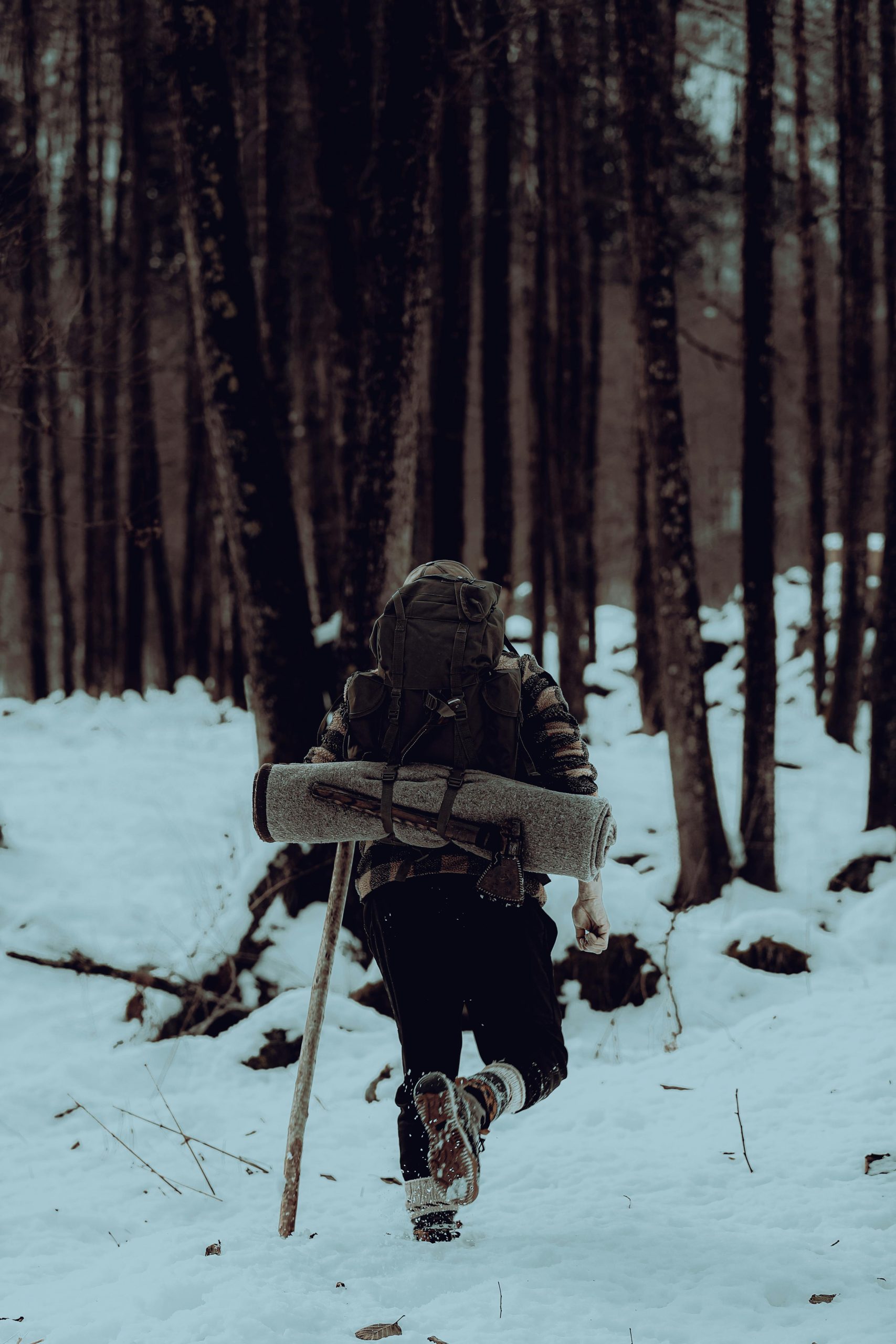
In a world where zombies are all too real, survival isn’t just about knowing how to fortify your home or stay inside. Sometimes, the best option for staying safe is to head out into the great outdoors. However, escaping to the wilderness in the event of a zombie outbreak or other disaster is far from simple. As experts in managing and preventing global apocalyptic scenarios, we know that while the wilderness can offer refuge, it’s not without its dangers. In fact, it presents its own set of challenges that could put you face-to-face with the undead if you’re not careful.
At our organization, our job is to make sure that an apocalyptic situation never fully escalates into chaos. While we monitor and maintain safety systems to prevent full-scale disasters, we also prepare for the possibility that things could go wrong, and that means knowing how to survive in the wild. Whether you’re being forced out of safety or are choosing to escape for a fresh start, understanding wilderness survival tactics for a zombie world could be what keeps you alive.
This blog post is designed to help you survive if you’re ever forced to leave your safe haven and head for the wilderness—by choice or necessity—during a zombie crisis. From camouflage and shelter-building to navigating through zombie-infested woods, here are essential wilderness survival tactics we recommend when escaping from safety.
1. Why the Wilderness? Avoiding the Apocalypse in the Great Outdoors
Before diving into survival tactics, let’s take a moment to discuss why you might need to go into the wilderness. The truth is, we do our best to prevent widespread outbreaks and catastrophic situations, but sometimes, zombies can be a serious threat in cities or towns. Urban areas can quickly become overcrowded, dangerous, and unsustainable.
For instance, there may be an area where a localized outbreak has occurred, and the threat of zombies overwhelming the infrastructure becomes too great. In those cases, seeking refuge in nature can offer more control over your environment. The wilderness gives you space to breathe, distance from chaotic cities, and fewer zombies. However, it’s crucial to remember that the great outdoors presents its own set of dangers, and preparation is key.
2. Stealth Is Key: Staying Hidden From the Undead
Zombies aren’t exactly skilled at tracking, but they are attracted by noise, movement, and sometimes even smell. Once you leave the safety of your home, stealth becomes your number one priority.
- Stay Quiet: The moment you step into the wilderness, stop talking loudly and minimize noise. Any sound you make might draw zombies to your location, especially if they are nearby.
- Avoid Open Areas: Open fields, roads, and clearings are great places for zombies to spot you. Stick to the tree line or dense brush to avoid detection.
- Camouflage: Whether you’re building a temporary shelter or simply hiding, blending into your environment can save your life. Use leaves, branches, and dirt to cover yourself and your belongings. Make sure you’re hard to spot, especially at night when zombies might be wandering through.
3. Finding Shelter: Your Temporary Refuge in the Wild
In a zombie crisis, shelter can be a life-saving necessity. You’ll need to establish a safe haven as soon as possible, one that offers protection from both the undead and the elements. While nature can provide some shelter, you may also need to construct your own.
- Natural Shelters: Caves or rock overhangs can be ideal places to shelter from the elements, but make sure they are not already inhabited by wild animals or, worse, zombies. Be cautious when entering any enclosed space.
- Build Your Own Shelter: If a natural shelter is unavailable or unsafe, build your own using branches, leaves, and other natural materials. A simple lean-to can provide shelter for one or two people, while a more substantial structure can be made if you have the resources.
- Elevate Your Shelter: If possible, build your shelter off the ground. This makes it harder for zombies to reach you and gives you a clear view of your surroundings. Tree platforms or elevated huts are great options if the terrain allows it.
4. Food and Water: Foraging and Staying Nourished
In an emergency, you’ll need to be self-sufficient. While we make sure that society has enough food and resources to avoid a collapse, if you’re out in the wilderness, knowing how to find food and clean water is critical.
- Water Sources: Always look for natural water sources such as streams or rivers. However, water from these sources may not be safe to drink without treatment. Carry water purification tablets, a portable filter, or boil the water for at least 3 minutes to ensure it’s safe.
- Foraging for Food: You’ll want to know how to identify edible plants, nuts, and berries. In a survival situation, knowing the local flora and fauna can help you gather food when your supplies run out. Just be sure to avoid plants that look similar to poisonous ones.
- Hunting and Fishing: If you have the skills and equipment, hunting for small game like rabbits or squirrels can provide food. Fishing can also be a reliable food source if you’re near water and have the means to fish.
5. Navigating the Wilderness: Moving Without Drawing Attention
Once you’re on the move, navigating the wilderness safely is crucial. While we work tirelessly to ensure you have the tools and resources to stay safe in populated areas, venturing into the wild requires different skills.
- Know Your Terrain: Before you head out, familiarize yourself with the terrain. Topographic maps and a compass are essential for orienting yourself and avoiding getting lost. If you have access to GPS, use it, but always have a backup method to navigate without technology.
- Traveling at Night: Zombies are not as active at night, but they can still roam the area. Travel at night only if necessary and use the cover of darkness to your advantage. The reduced visibility may allow you to sneak past zombies if you remain quiet.
- Use Natural Landmarks: Mountains, rivers, and other natural features can guide you when moving through the wilderness. If you’re escaping from an outbreak, make your way to the nearest forest or natural boundary, as this can increase your chances of survival.
6. Defending Yourself Against Zombies in the Wild
While your primary goal should be to avoid confrontation with zombies, the reality is that there may be moments where defense becomes necessary. As much as we work to prevent widespread chaos, there’s always the possibility that zombies will wander into your path. Knowing how to defend yourself in the wild is essential.
- Weapons: Carry a reliable knife, hatchet, or multi-tool to defend yourself. A firearm could be useful if you have one, but noise from gunshots could attract zombies, so use it sparingly.
- Stay Away From the Dead: Zombies in the wilderness are less likely to be in large groups, but they’re still dangerous. If you encounter one, use the terrain to your advantage—climb trees or hide in areas where zombies are unlikely to reach.
- Distractions: Throwing a rock or setting a small fire away from your shelter can help draw zombies away from your location. You don’t want to fight zombies if you can avoid it, so use diversion tactics to escape if necessary.
7. Signaling for Help: When You Need to Call for Backup
In the wilderness, signaling for help is a last-resort tactic, but it’s important to know how to do it safely. We ensure that there are emergency response systems in place, but sometimes you’ll be too far off the grid for them to reach you immediately.
- Smoke Signals: A controlled fire can create a visible smoke signal. This is one of the best ways to attract attention without revealing your exact location to zombies.
- Mirrors and Reflective Surfaces: Using a shiny surface like a mirror or metal object can help you reflect sunlight and signal potential rescuers or other survivors. Be mindful of your surroundings to ensure it doesn’t draw zombies toward you.
- Sound: If you’re sure that no zombies are close, use a whistle or loud noises to alert others that you’re in need of rescue. This is a riskier move, so it’s only advised if you’re in a safe spot with a significant distance between you and potential threats.
\Wilderness Survival is All About Preparation
The wilderness can be a lifeline during a zombie outbreak, but only if you’re properly prepared. Whether you’re escaping a dangerous situation or simply trying to survive in a post-apocalyptic world, knowing the right survival tactics can make all the difference. At our organization, we dedicate ourselves to ensuring that you’re always one step ahead of a potential crisis, so you can feel confident navigating both urban and wilderness landscapes.
Remember: Survival in the wilderness is about more than just escaping zombies; it’s about understanding the environment, using your resources wisely, and maintaining a calm, calculated approach when the stakes are high. With the right knowledge, tools, and mindset, you can survive and even thrive in the great outdoors—no matter what threats the world throws your way.