
In a world where unexpected crises can arise at any moment—be it natural disasters, power outages, or even the unthinkable, like a zombie outbreak—it’s crucial for every family to be prepared. Building a survival kit that addresses the needs of all family members can make the difference between life and death in an emergency. A well-thought-out survival kit ensures that you have the necessary tools, supplies, and resources to survive and stay safe, no matter the circumstances.
But survival kits aren’t one-size-fits-all. The needs of each family member will differ based on their age, health, and unique requirements. In this blog post, we’ll guide you through creating a comprehensive survival kit tailored for every member of your family—from the youngest child to the elderly members. Let’s dive into what should go into your family’s survival kit, ensuring everyone is equipped to face an emergency head-on.
1. Basic Survival Kit Components (for Every Family Member)
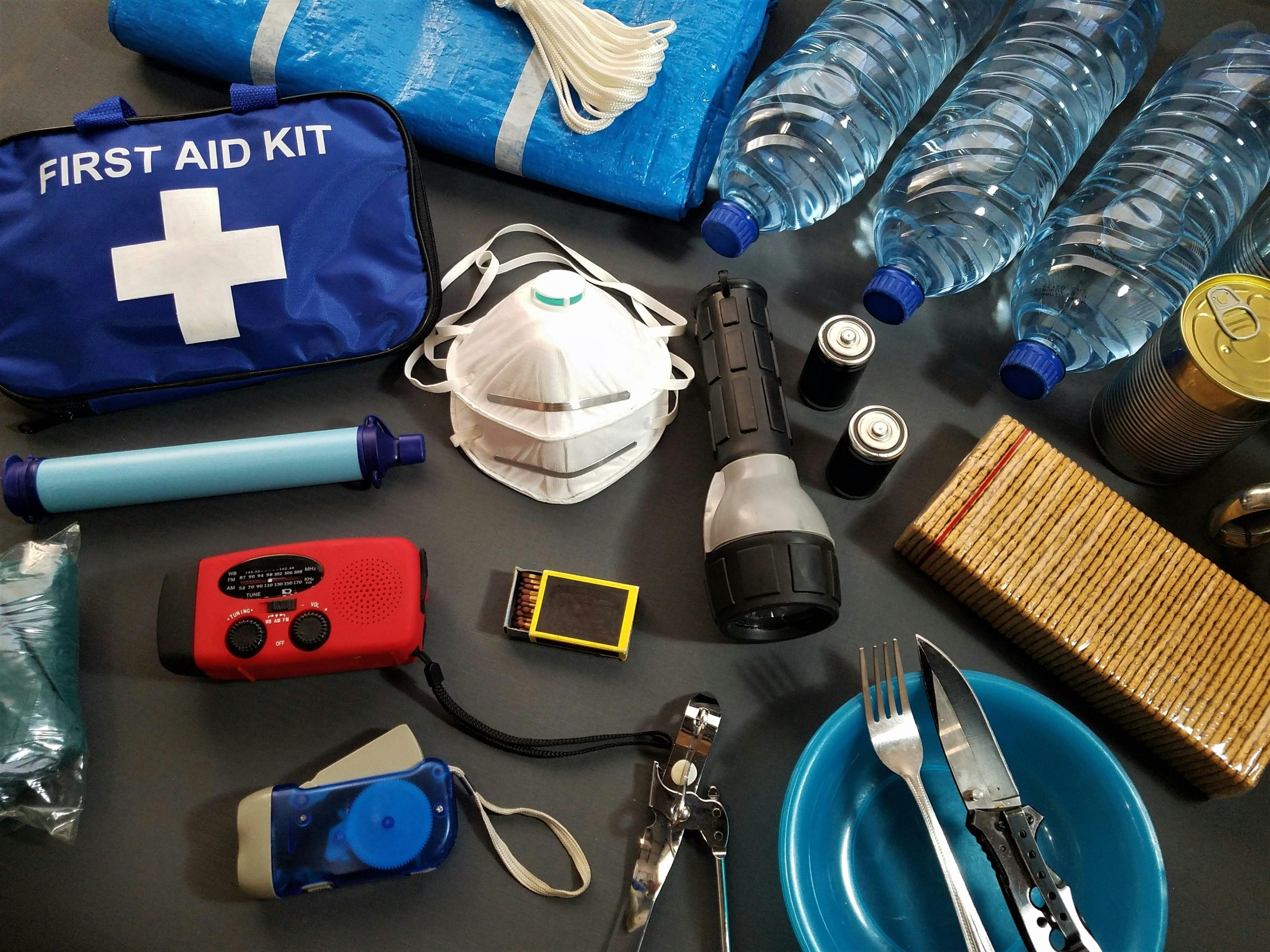
Before breaking down the essentials for each family member, let’s look at the fundamental items every survival kit should include. These are the items that form the backbone of your kit, regardless of who is using it:
- Water: At least one gallon per person per day for drinking and sanitation. Make sure to include water purification tablets or a water filter as a backup.
- Food: Non-perishable items like granola bars, canned food, dried fruits, and MREs (Meals Ready to Eat). Include a manual can opener if needed.
- First Aid Kit: Basic medical supplies such as bandages, antiseptic wipes, pain relievers, gauze, and any personal medications your family might require.
- Fire-Starting Tools: Matches, lighters, and fire starter sticks, ideally stored in waterproof bags.
- Shelter: Emergency space blankets, a lightweight tarp, or a small tent. These can be vital in case you need to leave your home.
- Multi-Tool/Knife: A reliable multi-tool with a knife, scissors, screwdriver, and other useful features is essential for various situations.
- Flashlight: Preferably a hand-crank flashlight to avoid reliance on batteries.
- Battery Pack: For charging phones and radios, or use a hand-crank emergency radio.
- Clothing: Extra warm clothing and rain gear, especially in cooler climates.
- Maps: Physical maps of your area in case digital devices fail.
With these basics in place, now let’s focus on the unique needs of each family member.
2. Essentials for Infants and Young Children
For families with young children, a survival kit needs additional consideration. Babies and toddlers have specific needs, and ensuring they’re properly cared for in an emergency is a priority. Here’s what to add to the kit:
- Baby Formula: If your child relies on formula, pack enough to last for at least three days. Include a portable bottle and sterilizing wipes.
- Diapers and Wipes: A sufficient supply of diapers and baby wipes (disposable or cloth) to last at least a week. Consider packing some disposable bags for dirty diapers.
- Baby Clothes: Extra clothing, including socks and hats, appropriate for the climate. Pack enough to keep your child comfortable for several days.
- Baby Medicine: Infant pain relievers, teething gel, and any other medications your baby may require.
- Comfort Items: Pack familiar toys, blankets, or books to help calm your child and provide some emotional comfort during a stressful time.
- Portable Crib or Playpen: If space allows, consider a small, lightweight portable crib or playpen to ensure your baby has a safe sleeping area.
3. Essentials for School-Age Children
School-age children have their own needs that must be considered when building a survival kit. While they can often handle more responsibility, their emotional and physical needs are still unique. Here’s what to pack for children:
- Snacks and Food: Include extra non-perishable snacks that they can eat on the go, such as granola bars, fruit snacks, or trail mix.
- Water Bottles: Reusable water bottles are important, and consider adding an extra bottle in case the first one gets lost or damaged.
- Entertainment: Pack a few age-appropriate books, small games, or a deck of cards to keep them occupied and provide some mental distraction during a crisis.
- Personal Care Items: Children may need specific items like baby wipes, sunscreen, or insect repellent if they’re outdoors for long periods.
- Clothing: Extra clothes, including comfortable shoes, hats, and weather-appropriate outerwear.
- Small First Aid Kit: While you’ll have a family first aid kit, it’s a good idea to include a smaller version for them, with band-aids, antiseptic wipes, and any personal medications.
- Identification: Carry important documents, such as their birth certificate, a picture ID, or medical records.
4. Essentials for Teens
Teenagers often require a mix of independence and responsibility in an emergency. Your survival kit for a teen should give them the tools to help out while also making sure their personal needs are covered:
- Food and Snacks: Healthy snacks like protein bars, jerky, and dried fruits can help keep energy levels up.
- Technology: A portable phone charger, extra batteries, or a hand-crank charger for their devices.
- Clothing: Comfortable, durable clothes and shoes. Teenagers may also need specialized items like sports gear or specific medication.
- Personal Hygiene Items: Include deodorant, a toothbrush, and sanitary products for teen girls.
- Entertainment: For maintaining their mental well-being, include a few books, a journal, or even a deck of cards to pass the time.
- Multi-Tool/Knife: Teens can handle more responsibility, so consider giving them a small multi-tool or pocket knife for various tasks.
- Flashlight: A compact, rechargeable flashlight that they can carry in their bag or pocket.
5. Essentials for Adults
The needs of adults are critical when planning a survival kit, especially since they’ll likely be responsible for organizing and taking charge of the group. Here’s what to prioritize for adults:
- Personal Medications: Ensure that any ongoing prescriptions are included in the kit, as well as a list of critical medical conditions.
- Comfort Items: Pack a small pillow, eye mask, or any other personal items that could help maintain comfort during stressful situations.
- Emergency Contact Information: Keep a hard copy of emergency contacts, including doctors, family members, and important phone numbers.
- Self-Defense Tools: Depending on your comfort level, consider including pepper spray, a whistle, or even a firearm for personal protection.
- Heavy-Duty Multi-Tool: A high-quality multi-tool or survival knife can assist with cutting, building, and other essential tasks.
- Cash: It’s always a good idea to have some cash in small denominations, as ATMs and digital payments may not be functional during a disaster.
- Work Gloves: Durable gloves to help with tasks that may damage your hands, like building shelter or gathering firewood.
6. Essentials for Elderly Family Members
For elderly family members, mobility, medical needs, and comfort are key priorities. Here’s what to include in their survival kit:
- Medications and Medical Devices: Ensure they have a week’s supply of any medications, and include backups of any essential devices such as hearing aids or mobility aids like walkers or canes.
- Extra Clothing: Warm layers and comfortable shoes are a must, as elderly individuals may be more susceptible to temperature changes.
- Personal Comfort: Include familiar items that can offer comfort, like a blanket, glasses, or favorite personal hygiene products.
- Medical Information: Keep a copy of their medical history, emergency contacts, and any advanced care directives.
- Hydration and Food: Easy-to-eat and nutrient-rich food, as well as hydration options, should be included to ensure they maintain their strength.
- Assistive Devices: Consider any devices they may need to help with communication or other basic tasks during a crisis.
Final Thoughts: The Power of Preparation
Building a survival kit isn’t a one-time task; it’s an ongoing process. As your family grows, your needs will change, and your survival kit will need to adapt accordingly. Regularly review the contents of your kit, check expiration dates, and make sure everyone knows how to use the items in it.
By preparing for the worst, you can ensure that your family is ready for anything. Whether it’s a natural disaster, power outage, or a more extreme emergency like a zombie outbreak, a well-stocked survival kit will give you peace of mind and the ability to face any crisis with confidence. Start building today, and make sure every member of your family is equipped to stay safe.