
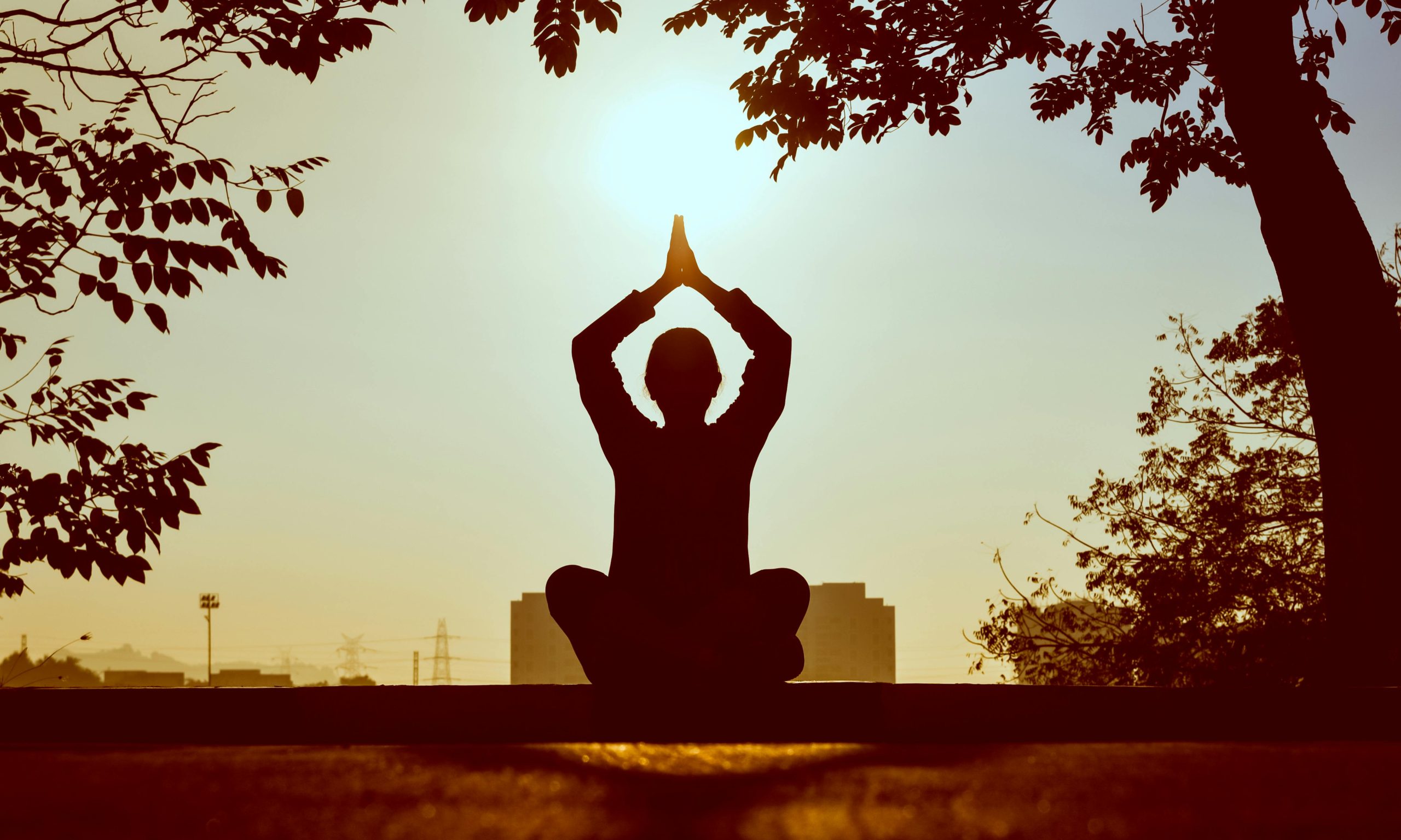
In today’s fast-paced world, stress has become an inevitable part of life. From personal challenges to societal pressures, the weight of ongoing stress can quickly take a toll on our mental health. Whether you’re dealing with work-related burnout, family issues, or the general uncertainty of modern life, prolonged stress can feel overwhelming. However, there are strategies to manage these difficult times and maintain your mental well-being.
In this blog post, we’ll discuss the impact of extended stress on mental health and offer practical coping mechanisms to help you navigate through periods of crisis.
The Impact of Prolonged Stress on Mental Health
When stress becomes chronic, it doesn’t just affect your mood; it can physically, emotionally, and mentally drain you. In the short term, stress might feel like a temporary burden. But when it lingers, it can contribute to:
- Anxiety: Constant worrying, nervousness, or feelings of dread.
- Depression: Persistent feelings of sadness or hopelessness.
- Sleep Issues: Difficulty falling or staying asleep due to a racing mind.
- Physical Health Problems: Fatigue, headaches, digestive problems, or heart palpitations.
- Burnout: A state of emotional and physical exhaustion, especially from overwork or constant pressure.
Understanding the toll that extended stress can take on your mental health is the first step in acknowledging the need for self-care and effective coping strategies.
Coping Mechanisms for Managing Extended Stress
While stress is inevitable, there are various strategies you can use to reduce its impact and regain a sense of balance. Here are several coping mechanisms that can help you manage stress in a healthy way:
1. Mindfulness and Meditation
One of the most effective ways to combat stress is by practicing mindfulness. Mindfulness involves focusing on the present moment without judgment, which helps you disconnect from overwhelming thoughts and regain clarity.
- Mindfulness Techniques: Practice deep breathing exercises, body scans, or guided imagery to calm your mind. Apps like Headspace or Calm offer guided meditations that can help you relax and center yourself.
- Daily Practice: Incorporating just 5-10 minutes of mindfulness into your day can significantly reduce feelings of stress and anxiety.
2. Physical Exercise
Exercise is not only great for your physical health but is also one of the most effective ways to reduce stress and improve mental well-being. When you exercise, your body releases endorphins, which are chemicals that act as natural mood lifters.
- Aerobic Activities: Running, cycling, swimming, or even walking can boost your mood and help you sleep better.
- Yoga and Stretching: Gentle exercises like yoga can help you release built-up tension, increase flexibility, and improve mental clarity.
- Consistency is Key: Even a short walk or stretching routine daily can make a big difference.
3. Social Support and Connection
In times of crisis, it’s easy to isolate yourself, but human connection is crucial for maintaining mental health. Reaching out to others, whether it’s a family member, friend, or therapist, provides emotional support and can offer a fresh perspective.
- Talking It Out: Sometimes, simply sharing your thoughts with someone you trust can provide relief. Don’t hesitate to lean on others for support when you’re feeling overwhelmed.
- Therapy and Counseling: If stress is chronic, seeing a mental health professional can provide you with tools and techniques to better handle your emotions and develop coping strategies tailored to your needs.
- Community: Engaging with supportive groups, whether online or in person, can help you feel less alone and foster feelings of belonging.
4. Healthy Lifestyle Choices
The foundation of good mental health is often a healthy body. When you’re physically well, it’s easier to manage stress effectively. Small lifestyle changes can make a big difference.
- Nutrition: Eating a balanced diet rich in fruits, vegetables, whole grains, and lean proteins can support your mood and overall energy levels. Avoid excessive caffeine, alcohol, or sugar, as these can exacerbate stress.
- Sleep: Sleep is vital for stress management. Aim for 7-9 hours of sleep each night. If you’re struggling with sleep, establish a relaxing bedtime routine and limit screen time before bed.
- Hydration: Staying hydrated is often overlooked but can play a significant role in reducing stress levels. Dehydration can lead to irritability and fatigue.
5. Time Management and Boundaries
Extended stress often results from feeling overwhelmed by responsibilities, deadlines, and the constant pressure to perform. Learning how to manage your time effectively and set boundaries can help you regain control over your situation.
- Prioritize Tasks: Break down large tasks into smaller, more manageable ones. Prioritize the most important tasks and learn to delegate or say no when necessary.
- Set Boundaries: Learn to set clear boundaries at work, at home, and in social situations. Protecting your time and energy is essential for maintaining mental health, especially during high-stress periods.
6. Creative Expression and Hobbies
Engaging in activities that bring you joy can be a powerful way to reduce stress. Creative outlets such as painting, writing, playing music, or crafting allow you to express emotions and take a break from everyday pressures.
- Creative Activities: Even if you don’t consider yourself an artist, engaging in activities like journaling or doodling can provide a sense of accomplishment and help you process your feelings.
- Hobbies: Taking time for a hobby that brings you joy—whether it’s gardening, knitting, reading, or cooking—can give you a sense of purpose and distract you from stress.
7. Practice Self-Compassion
It’s easy to be hard on yourself when you’re under stress, but practicing self-compassion is essential. Being kind to yourself and accepting that it’s okay to feel stressed is an important part of mental health.
- Challenge Negative Thoughts: If you catch yourself thinking negatively or being overly critical of yourself, pause and reframe those thoughts. Practice self-kindness and remind yourself that you’re doing the best you can.
- Forgive Yourself: Understand that it’s okay to not be perfect. We all have limits, and it’s important to acknowledge and respect those boundaries without judgment.
When to Seek Professional Help
If you find that the stress is becoming overwhelming and you’re struggling to cope with daily life, it may be time to seek professional help. A therapist, counselor, or psychiatrist can offer personalized support and treatment plans, including therapy and medication, to address severe or chronic stress and its effects.
Final Thoughts
Stress is a natural part of life, but when it becomes prolonged, it can negatively impact your mental health. It’s crucial to develop healthy coping mechanisms to manage stress and protect your well-being. By practicing mindfulness, staying active, connecting with others, and taking care of your physical health, you can significantly reduce the effects of stress and feel more in control.
Remember that it’s okay to ask for help, and taking small steps toward self-care can create a big difference in your overall mental health. Coping with extended stress isn’t about eliminating stress entirely, but about finding ways to manage it in a way that promotes resilience and well-being.
If you or someone you know is struggling, don’t hesitate to reach out for support—your mental health matters.