
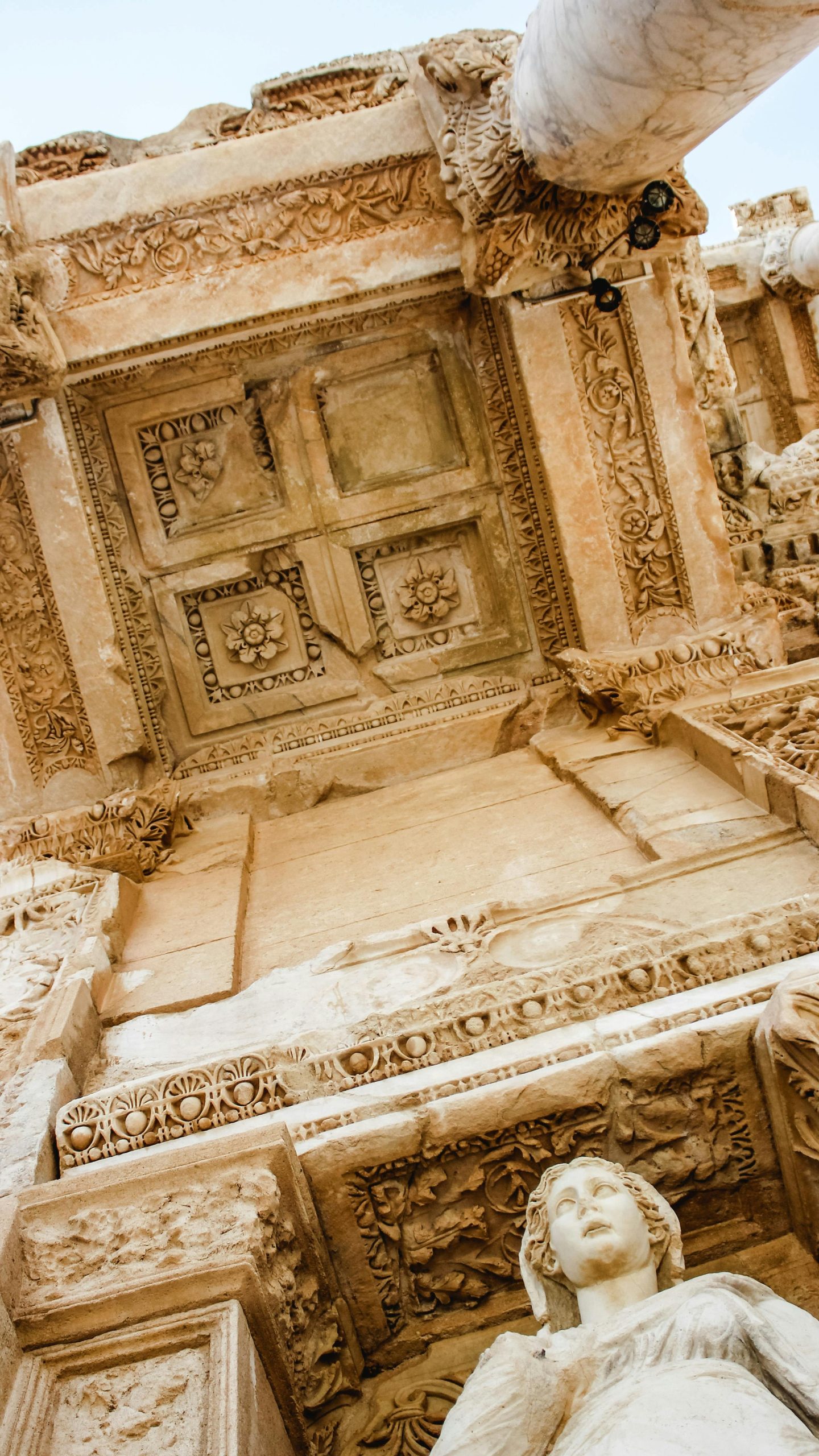
In a zombie apocalypse, securing a safe and defensible shelter is paramount. Ancient Roman fortifications, known for their durability and strategic design, offer valuable lessons for creating structures that can withstand the undead onslaught. The Romans were masters of military engineering, and their fortifications provide a blueprint for building zombie-proof shelters. Here’s how you can adapt Roman engineering principles to enhance your defenses against a zombie apocalypse.
1. Understanding Roman Fortifications
Key Features:
- Walls and Ramparts: Roman fortifications were characterized by thick, robust walls and elevated ramparts. These structures were designed to withstand both siege warfare and direct assaults.
- Towers and Gatehouses: Fortresses typically included watchtowers and gatehouses, providing strategic vantage points and controlled entry points.
- Moats and Ditches: Defensive ditches and moats were common, designed to slow down attackers and make it more difficult for them to breach the fortifications.
Strategic Design:
- Visibility and Coverage: Roman fortifications were strategically placed to ensure visibility and control over the surrounding area. This allowed defenders to spot threats from a distance and respond effectively.
- Layered Defenses: The Romans often used layered defenses, including multiple lines of fortifications, to create a more formidable barrier against invaders.
2. Adapting Roman Techniques for Zombie-Proof Structures
Reinforced Walls:
- Thick Walls: Construct thick, reinforced walls using materials such as concrete, stone, or durable wood. These walls should be strong enough to resist both physical assaults and persistent zombie attacks.
- Barriers and Obstacles: Integrate barriers such as metal sheeting or wooden spikes into the walls to deter zombies from attempting to breach. These additional layers can help prevent zombies from clawing or breaking through.
Elevated Defenses:
- Watchtowers: Build elevated watchtowers around your perimeter. These towers provide a vantage point for spotting approaching zombies and give defenders an elevated position to protect against breaches.
- Rooftop Platforms: Incorporate rooftop platforms with secure railings. These platforms can serve as lookout points and allow defenders to use ranged weapons or spot approaching threats.
Controlled Entry Points:
- Gatehouses: Construct reinforced gatehouses with heavy, secure doors. Use multiple layers of security, such as barriers and locks, to ensure that any entry points are well-guarded.
- Access Points: Design entry points to be easily controlled and monitored. Implement security measures such as checkpoints and inspection areas to prevent unexpected breaches.
Moats and Ditches:
- Defensive Ditches: Dig deep defensive ditches around your fortification. While zombies may not be able to swim, these ditches will slow their approach and make it more difficult for them to reach the walls.
- Moats: If feasible, consider constructing a moat filled with water. This can create an additional barrier that further complicates the approach for zombies.
Layered Defenses:
- Multiple Lines: Implement multiple lines of defense around your shelter. This can include an outer perimeter with barriers, a secondary perimeter with reinforced walls, and an inner core with secure living areas.
- Fallback Positions: Create fallback positions within the structure where survivors can retreat if outer defenses are breached. These positions should be well-stocked and defensible.
3. Modern Enhancements to Roman Techniques
Surveillance Systems:
- Cameras and Sensors: Incorporate modern surveillance systems such as cameras and motion sensors. These technologies can provide real-time alerts about approaching zombies and enhance your overall security.
Reinforced Materials:
- Advanced Materials: Use modern materials such as reinforced steel and composite materials to enhance the strength and durability of your fortifications. These materials offer improved protection compared to traditional construction methods.
Self-Sustaining Systems:
- Energy and Water: Ensure your fortifications include self-sustaining systems for energy and water. Solar panels, rainwater collection, and efficient waste management can reduce dependence on external resources.
Emergency Protocols:
- Training and Drills: Conduct regular training and drills to ensure that all members of your group are familiar with emergency protocols and can respond effectively to breaches or attacks.
4. Practical Considerations
Location:
- Strategic Positioning: Choose a location that offers natural advantages, such as elevated terrain or isolated areas. This can enhance the defensive capabilities of your fortifications.
- Accessibility: Ensure that your fortifications are accessible for necessary supplies and evacuation but not easily reachable by zombies.
Maintenance:
- Regular Inspections: Perform regular inspections and maintenance of your fortifications to address any wear and tear. Keeping your defenses in top condition is crucial for long-term survival.
- Upgrades: Be prepared to make upgrades and improvements as needed. As you gather more resources or develop new technologies, incorporate these advancements into your defensive strategies.
Roman fortifications provide a timeless blueprint for building resilient, zombie-proof structures. By adapting ancient engineering principles with modern enhancements, you can create a formidable defense system capable of withstanding the undead onslaught. Reinforced walls, elevated defenses, controlled entry points, and layered defenses are key components of an effective survival shelter.
Incorporating both historical techniques and contemporary technology ensures that your fortifications are both durable and adaptable. With careful planning and strategic design, you can build a shelter that stands strong against the relentless threats of a zombie apocalypse, blending the wisdom of ancient engineering with the innovations of the present.