
An apartment offers unique challenges for zombie survival. The limited space, multiple neighbors, and shared walls make defending yourself and staying secure more difficult than in a house or secluded area. However, with the right strategies and the proper preparation, you can increase your chances of survival in a small space. This post will provide small-space survival tips to help you stay safe in the event of a zombie incident.
1. Securing Entry Points: Lockdown Your Apartment
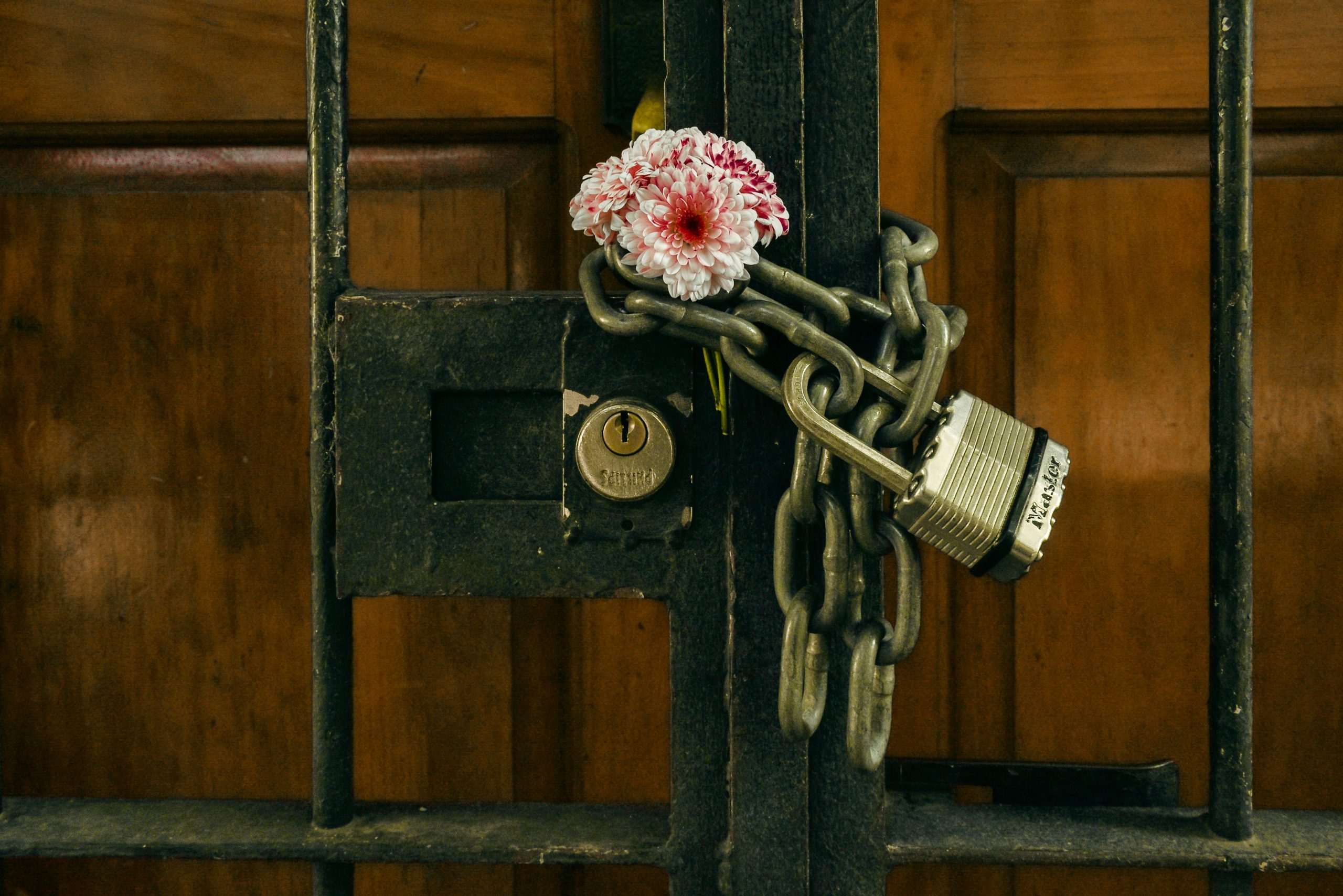
The first step in any survival scenario is securing your living space. Zombies are relentless and can break through weak barriers, so fortifying your apartment against intrusion is vital. Fortunately, apartments often have several built-in security measures that can be useful in a crisis.
- Reinforce Doors and Windows: Start by reinforcing your main entry doors with additional locks, deadbolts, and even barricades if possible. If your apartment has sliding glass doors, use a metal rod or broomstick to block them. Consider using furniture or other heavy objects to block doors and windows.
- Utilize Window Bars or Grills: If your apartment has window bars or grills, check that they are sturdy and in good condition. These can serve as an additional line of defense against zombies trying to break through. If you don’t have bars, consider investing in some affordable window security film or temporary boarding options.
- Seal Gaps and Cracks: Zombies can get through surprisingly small gaps, so take time to seal any cracks around doors and windows. Use duct tape, pillows, or towels to block small spaces, preventing both zombies and other elements (like smoke or gas leaks) from entering.
2. Stockpiling Supplies: Make the Most of Limited Space
In an apartment, space is always at a premium, so you’ll need to be strategic about how you store your survival supplies. The key is focusing on high-quality, essential items that will serve multiple purposes and can be easily stored in small spaces.
- Water and Food: Begin by stockpiling non-perishable foods like canned goods, freeze-dried meals, rice, pasta, and energy bars. Don’t forget to include a manual can opener! Water is crucial, so aim to store at least one gallon of water per person per day for a minimum of three days. Use space-saving containers like collapsible water bottles or stackable storage bins to keep your water supply organized.
- First-Aid Kit: A well-stocked first aid kit is non-negotiable. Be sure to include basic supplies like bandages, antiseptic wipes, gauze, pain relievers, and any prescription medications you may need. In a small space, consider keeping your medical supplies in a portable, easily accessible kit so you can grab it quickly in an emergency.
- Multi-Use Tools: When you’re working with limited space, it’s important to have tools that can serve multiple functions. A good multi-tool, like a Swiss Army knife, can cover everything from cutting through packaging to opening bottles, and even defending yourself in an emergency. If you have the space, include a portable solar charger to keep your devices powered if the power goes out.
3. Communication and Alert Systems: Stay Informed
In the event of a zombie incident, staying informed about what’s going on outside your apartment is crucial. Communication systems will likely be down, but there are still ways to receive information about the situation.
- Battery-Powered Radio: A battery-powered or hand-crank radio is essential. This allows you to stay updated on news, evacuation instructions, and alerts from local authorities. Make sure to have extra batteries on hand, or invest in a rechargeable model if possible.
- Mobile Devices: While cell networks may become unreliable in a crisis, keep your phone charged as long as possible. You can use your phone to contact emergency services or check for local news on social media platforms. If you’re in an area with unstable power, consider investing in a portable power bank or solar charger to keep your phone running.
- Emergency Alerts: Subscribe to local emergency alert systems to receive warnings and important updates. Many cities and municipalities have apps or SMS services that send out real-time notifications. Stay connected to any community groups in your building so you can share updates and keep each other safe.
4. Creating Safe Spaces: Designate an Evacuation Zone
While it’s essential to fortify your apartment, you also need to be prepared to move quickly if the situation deteriorates. Having a designated evacuation area, either within your building or outside, will give you a plan of action if you need to leave your apartment.
- Safe Room: In case of a sudden breach, consider creating a “safe room” within your apartment. This could be a closet or any small, interior room with limited windows and a solid door. Stock this room with essential supplies like food, water, a flashlight, a first-aid kit, and tools. If the zombie threat becomes too close for comfort, the safe room can act as a temporary shelter until you can escape or the situation stabilizes.
- Evacuation Routes: Identify multiple escape routes from your apartment. Don’t rely solely on the front door—know the exits, fire escapes, and any maintenance access points available to you. Have a bug-out bag ready to go with essential survival gear, so if you need to leave in a hurry, you’re not scrambling for supplies.
- Exit Strategy: If you live in a multi-story building, make sure to have an exit strategy. Use stairs instead of elevators, which could be disabled or trapped. If you need to exit through windows, make sure you have the necessary tools (like a rope ladder or sturdy cloth) to do so safely.
5. Self-Defense in Close Quarters
In an apartment, you’ll need to be prepared for close-quarters combat. Zombies tend to move in hordes, and in the confined space of an apartment, there’s not a lot of room to maneuver. You’ll need a few strategies to defend yourself effectively.
- Improvised Weapons: In small spaces, it’s essential to make the most of what’s available. Kitchen knives, broom handles, or even heavy furniture can serve as improvised weapons if you’re caught in a tight spot. Be sure to keep any weapons you plan to use close at hand, and avoid wasting time gathering supplies in the middle of a threat.
- Non-lethal Defense: If you need to defend yourself against a zombie but don’t want to engage in a potentially dangerous fight, consider using pepper spray or a stun gun. These options are compact and effective for creating distance between you and a threat.
6. Community Collaboration: Strength in Numbers
The zombie threat doesn’t have to be faced alone. If you live in a multi-unit building, collaborate with your neighbors to increase your chances of survival. Forming a tight-knit, well-organized community will allow everyone to share resources, communicate effectively, and defend the building from any threats.
- Neighborhood Watch: Start by organizing a simple neighborhood watch system within your building. Having a few trusted people who can monitor the building’s entrance and alert others to potential dangers is invaluable in keeping everyone safe.
- Resource Sharing: If possible, pool your resources with neighbors. This could mean sharing food, medical supplies, or weapons to ensure that everyone has what they need to survive. Remember that cooperation and communication are key.
Conclusion: Surviving in Small Spaces
In the event of a zombie incident, surviving in an apartment will require some creative thinking, strategic planning, and collaboration with others. While an apartment presents unique challenges, it can also provide opportunities to fortify your living space, make the most of limited resources, and stay connected with those around you.
By following these small-space survival tips, you can ensure that you’re ready to face a zombie incident with confidence, even if you’re living in a tight, urban environment.
Stay alert, stay prepared, and remember: preparation can make all the difference when the zombies are at your door.