
When preparing for a potential zombie outbreak, selecting the right weapons and tools for survival is a crucial part of the process. While the immediate threat of zombies is daunting, equipping yourself with the proper weaponry is just as essential as securing food, water, and shelter. However, choosing the right tools can be overwhelming with so many options available. Whether you’re fortifying your home, planning a survival strategy, or learning real-life defense tactics, it’s important to understand the science behind weaponry and how to select tools that are both effective and practical for long-term survival.
In this guide, we’ll break down the essential factors to consider when selecting weapons for a zombie outbreak and everyday defense, including efficiency, ease of use, maintenance, and portability. Let’s dive into the science of weaponry to ensure you’re prepared for whatever comes your way.
1. Understand the Different Types of Weapons
The first step in choosing your tools for survival is understanding the different types of weapons at your disposal. Each type of weapon has its strengths and weaknesses, and the right choice depends on the situation, the environment, and your personal comfort with each tool. Broadly speaking, weapons can be divided into three main categories: melee, firearms, and improvised weapons.
Melee Weapons: Close-quarters combat is an inevitable part of any zombie incident, and melee weapons are ideal for situations where silence is essential or when ammunition is limited. Melee tools include knives, axes, crowbars, and blunt objects like baseball bats.
- Knives are versatile, easy to carry, and essential for tasks like food preparation or self-defense.
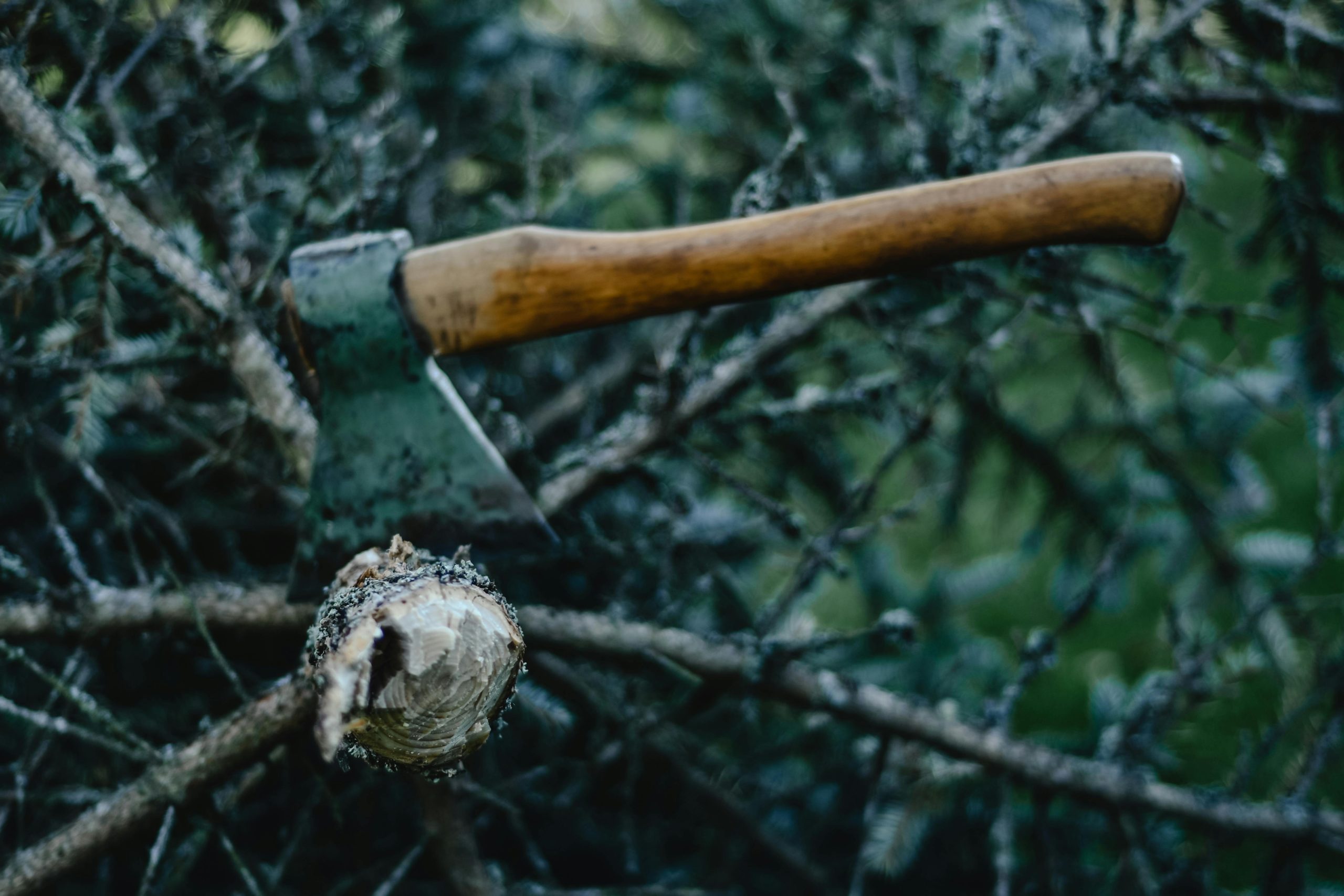
- Axes and Hatchets are excellent for both defense and chopping wood for building shelter or starting fires.
- Crowbars are indispensable for prying open doors or windows, and they can be used to create barricades.
Firearms: Firearms are effective for distance combat, allowing you to neutralize zombies from a safe range. They’re essential when dealing with large groups of zombies or other threats that may be too close for comfort. However, firearms require more maintenance, and you’ll need to ensure you have sufficient ammunition.
- Rifles and Shotguns: These are ideal for taking out zombies from a distance. Rifles like the AR-15 offer accuracy and range, while shotguns provide a powerful spread, ideal for close encounters.
- Handguns: Compact, lightweight, and easy to carry, handguns are a great option for personal defense. However, they lack the range and firepower of larger firearms.
Improvised Weapons: In emergency situations, improvising weapons from everyday objects can make a significant difference. Tools like screwdrivers, kitchen utensils, and even fire extinguishers can be used for self-defense when you don’t have access to traditional weapons. These can also be invaluable for distractions or defending your position.
2. Efficiency and Functionality
When selecting your weapons, consider their overall efficiency and functionality. It’s not just about choosing the most powerful tool, but also one that you can use effectively in a range of scenarios.
- Ease of Use: Regardless of the weapon type, you need to be comfortable using it. A weapon that is difficult to aim or handle will become a liability rather than an asset. Practice with any weapon you choose, from firearms to melee tools, to become proficient in handling them during high-stress situations.
- Multi-Functionality: Weapons that serve more than one purpose are ideal in survival scenarios. For example, an axe can be used to chop wood, defend yourself, and break into structures. A survival knife can also function as a tool for building shelters, cutting rope, or preparing food.
- Durability: Survivability is all about resilience, and the weapons you choose should be able to withstand tough conditions. Choose tools that are built to last, even when exposed to the elements or heavy use. Stainless steel, carbon steel, and durable polymers are common materials found in reliable survival weapons.
3. Portability and Weight
Portability is a key consideration when choosing your weapons, especially if you need to move quickly or cover large distances. Ideally, your weaponry should be lightweight enough to carry with minimal effort but powerful enough to get the job done.
- Compact and Lightweight: A handgun, for example, is lightweight and easily concealable, making it ideal for close-range encounters or personal defense. If you need to travel light, weapons like a machete or a collapsible bat can easily fit into a backpack or belt loop.
- Weight Considerations: While it’s important not to overburden yourself with too much weight, you don’t want to sacrifice too much firepower for convenience. Strike a balance between ease of transport and effective power. Larger firearms like shotguns or rifles may not be ideal for carrying on long treks, so consider having them stored in a safe, accessible location near your shelter.
4. Maintenance and Reliability
A weapon that doesn’t work when you need it most is essentially useless. That’s why maintenance and reliability are two critical factors to consider. Firearms, in particular, require regular cleaning and oiling to function properly. If you’re using a firearm, make sure you have the necessary cleaning supplies and know how to maintain your weapon properly.
- Melee Weapons: Melee tools are generally low-maintenance. Knives, axes, and crowbars should be kept sharp and clean to ensure they’re effective when needed. Regularly check the condition of your melee weapons to avoid rust or damage.
- Firearms: Ensure that your firearms are regularly cleaned, and have extra parts (such as cleaning rods and brushes) and tools on hand for repairs. Ammo should also be stored in a dry, safe place to prevent degradation over time.
5. Safety Considerations
Whether you’re using firearms or melee weapons, safety should always come first. Knowing how to properly handle and store weapons is crucial in preventing accidental injuries.
- Safe Storage: Firearms should be stored in secure containers, ideally with a lock. Consider using gun safes to keep firearms out of the hands of unauthorized users. Even in an emergency, only those who are trained in firearm safety should be handling the weapons.
- Melee Weapon Safety: While melee tools don’t require the same level of safety precautions as firearms, it’s still important to handle them responsibly. Keep sharp objects like knives and axes safely stored when not in use to prevent accidents.
6. Training and Practice
It’s essential to practice with the weapons you’ve chosen for your survival toolkit. Having the right weapon is only half the battle—knowing how to use it effectively is just as important.
- Firearm Training: If you opt for firearms, be sure to take training courses to learn proper handling, aiming, and firing techniques. Shooting ranges and survival training programs are excellent places to hone your skills.
- Melee Weapon Training: Learn the basic techniques for using knives, axes, and blunt objects for defense. Understanding how to strike quickly and effectively, as well as how to block and disarm an attacker, can improve your chances of surviving a close encounter with zombies or other threats.
Choosing the Right Tools for Survival
When it comes to choosing weapons for survival, the key is to find tools that are reliable, versatile, and suited to your individual needs. Whether you’re relying on firearms for distance defense or melee weapons for close-quarters combat, your weaponry must be part of a larger strategy to ensure your survival. With the right training, maintenance, and understanding of each tool’s strengths and weaknesses, you’ll be better prepared to face any threat—whether it’s zombies or any other disaster. Make sure to practice, stay prepared, and always prioritize safety to give yourself the best chance of success in any crisis.