
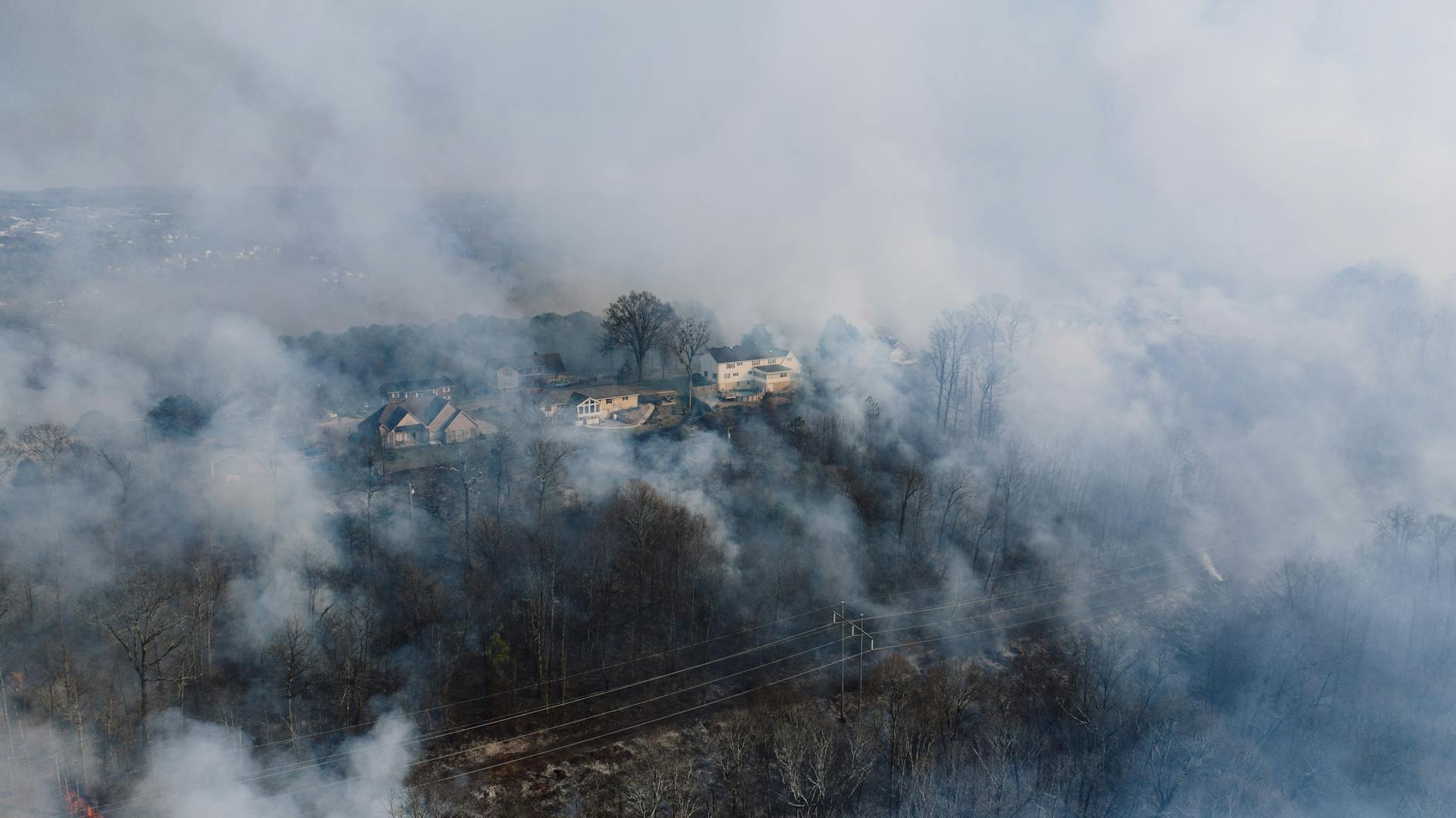
When you think of disaster scenarios, two things often come to mind: natural disasters and apocalyptic events like a zombie outbreak. Both can be devastating in their own right, but they differ drastically in terms of how we prepare for them, survive them, and recover from them. But what happens when you pit them against each other? Which would be worse—a zombie apocalypse or a natural disaster? Let’s break it down.
1. The Immediate Threat: What Happens First?
Zombie Apocalypse:
In the case of a zombie apocalypse, the immediate threat is the rise of the undead. Zombies don’t give warning—they’re quick, relentless, and incredibly dangerous. The first days of the outbreak would likely be chaos, with society breaking down rapidly as the virus spreads and people turn into mindless zombies. Depending on the type of zombies (slow or fast), the spread could be even faster. As survivors scramble for safety, the world as we know it would collapse—food, electricity, and healthcare would become scarce.
Natural Disasters:
Natural disasters, on the other hand, tend to have more predictable timelines. Whether it’s an earthquake, hurricane, tornado, or wildfire, the onset of a natural disaster usually gives us some warning, allowing people to evacuate or prepare in advance. While the devastation might be significant, natural disasters usually don’t result in an immediate breakdown of society. Emergency services are often mobilized quickly, and governments tend to have response plans in place. However, the impact can still be severe, especially in densely populated areas.
Verdict: A zombie apocalypse would probably be worse in terms of the immediate threat. Natural disasters, while devastating, usually allow for some level of preparation.
2. Survival: Who Has the Advantage?
Zombie Apocalypse:
Surviving a zombie apocalypse requires more than just physical resilience. You need to be strategic, have access to weapons, and be capable of defending yourself from both zombies and hostile humans. There’s also the psychological toll of knowing that you’re constantly at risk of becoming infected or being overwhelmed by the undead. It’s a long-term, grueling battle for survival, where even basic tasks—like finding food and water—become fraught with danger. You need to be resourceful, intelligent, and often ruthless.
Natural Disasters:
Natural disasters may provide more opportunities for survival. While you can’t control the weather or geological events, the aftermath of a natural disaster often leaves communities with some level of infrastructure intact. Relief efforts tend to kick in sooner or later, and the focus shifts to rebuilding and recovery. Sure, you might lose your home, and survival can be challenging, but you’re not faced with an enemy that is actively hunting you down or trying to eat you alive. Survival often boils down to access to clean water, shelter, and food.
Verdict: While both scenarios are dangerous, natural disasters might offer more hope for long-term survival due to established recovery efforts and the lack of an ever-present deadly threat like zombies.
3. Societal Impact: What Happens to Civilization?
Zombie Apocalypse:
In a zombie apocalypse, civilization collapses. With much of the population wiped out or turned into zombies, humanity could be on the brink of extinction. Law and order would break down completely, and human nature would be tested in extreme ways. People might band together for protection, but it’s just as likely that survivalists and hostile groups would form factions, fighting for limited resources. A zombie apocalypse would likely mean the end of modern society as we know it.
Natural Disasters:
Natural disasters, though catastrophic, generally don’t wipe out entire civilizations. They can cause temporary collapses in infrastructure, but most countries have contingency plans to restore order and rebuild. Emergency workers, first responders, and international aid often make survival and recovery more manageable. Society might go through a major upheaval, but unlike a zombie apocalypse, there’s a clear pathway to recovery and rebuilding.
Verdict: A zombie apocalypse would likely have a much more severe impact on civilization, potentially leading to the fall of entire countries. Natural disasters may cause widespread devastation, but recovery is usually possible.
4. Psychological Toll: Coping with Disaster
Zombie Apocalypse:
The psychological toll of surviving a zombie apocalypse would be immense. Not only would you be fighting for your life, but you’d also be grappling with the trauma of losing loved ones and watching the world descend into madness. The constant fear, loneliness, and isolation would weigh heavily on survivors. Additionally, the realization that any day could be your last would be emotionally draining.
Natural Disasters:
While natural disasters can certainly take an emotional toll, the psychological impact is generally less intense in the long term. Communities often come together after natural disasters, providing support to one another in times of need. The grief of losing homes, lives, or possessions is undoubtedly painful, but there is usually a sense of hope that recovery is possible. Survivors can rebuild their lives with time and effort, and the emotional support from others can be an important part of the healing process.
Verdict: A zombie apocalypse would likely cause a much more profound and prolonged psychological impact. The constant danger and the collapse of society would be far more traumatic than the challenges posed by a natural disaster.
5. Long-Term Recovery: How Long Does It Take to Rebuild?
Zombie Apocalypse:
Rebuilding after a zombie apocalypse is almost impossible, at least in the way we think of recovery today. Without a stable government, healthcare, or communication systems, rebuilding civilization would be a slow, unpredictable process. Survivors might eventually begin to form small communities, but the loss of knowledge, infrastructure, and resources would mean that a new world order would emerge from the ashes. This new society would likely resemble something much more primitive.
Natural Disasters:
Natural disasters, though incredibly destructive, generally allow for recovery. With modern technology, aid organizations, and government support, communities often rebuild relatively quickly. For instance, cities devastated by earthquakes or hurricanes can take years to fully recover, but recovery is usually possible. In the aftermath, society has a strong incentive to restore what was lost and improve resilience against future disasters.
Verdict: In terms of long-term recovery, natural disasters are far easier to bounce back from than a zombie apocalypse. Rebuilding after a zombie outbreak might be impossible, as much of the world’s infrastructure would be permanently lost.
Conclusion:
While a zombie apocalypse would undoubtedly be an incredibly thrilling and terrifying event, it’s clear that natural disasters, though devastating, would be the lesser evil. Zombies offer a terrifying, relentless threat with no end in sight, while natural disasters, though chaotic and potentially deadly, usually offer a path to recovery.
In short: Zombie apocalypses would likely be far worse than natural disasters—but let’s hope we never have to test that theory!
Which do you think would be worse? Let us know your thoughts!