
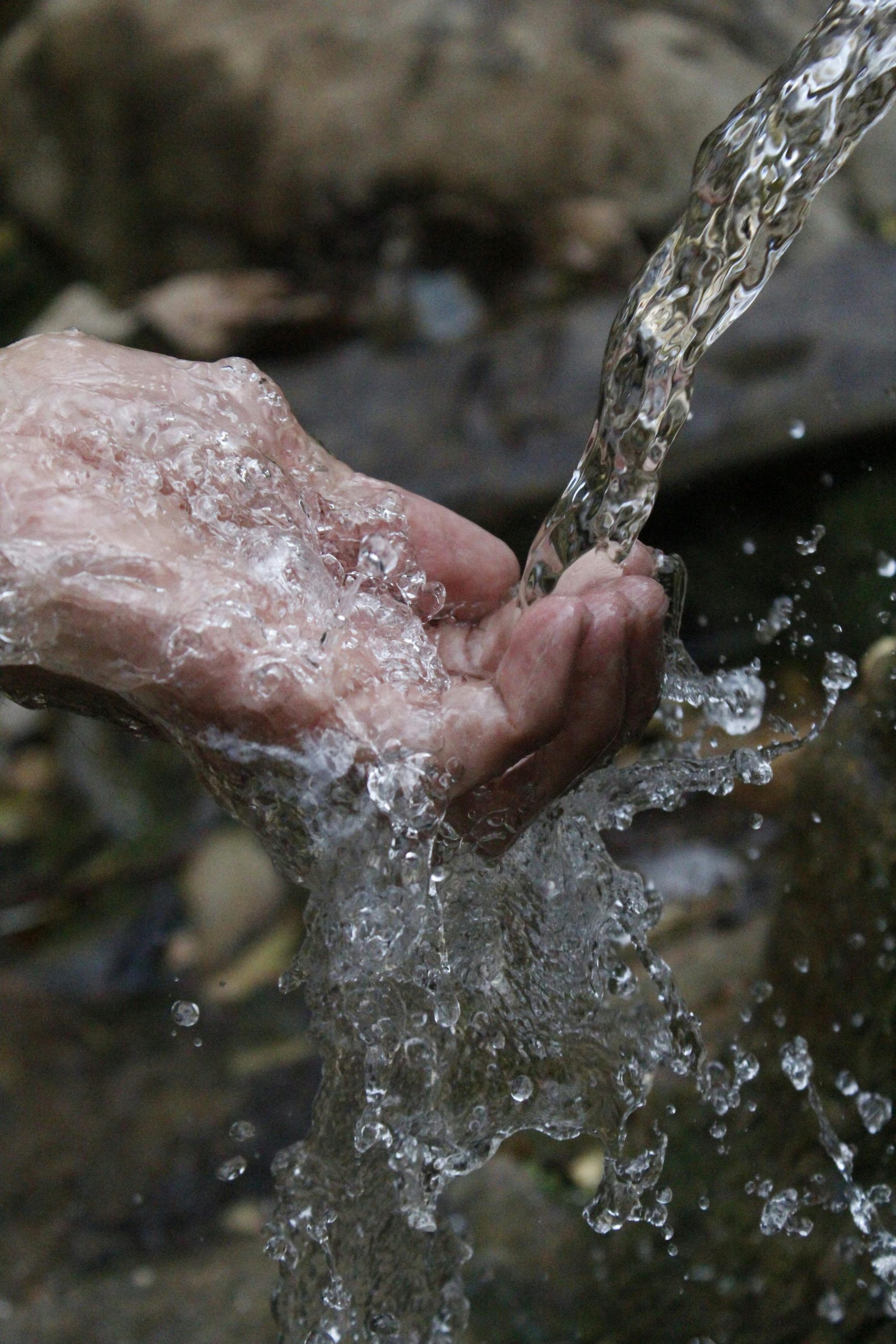
When zombies are a constant threat, staying clean might not be your top priority, but it’s essential for your survival. Hygiene helps prevent illness, boosts morale, and keeps you strong in the face of danger. While we work hard to ensure an apocalypse never happens, being prepared with proper hygiene practices is key to surviving any crisis. Here’s how to stay clean when the world around you is falling apart.
1. Hand Hygiene: The First Line of Defense
In an emergency, your hands are the most likely carriers of germs and bacteria. Whether you’re touching contaminated surfaces, eating, or administering first aid, proper hand hygiene can prevent the spread of infections, including those that may be zombie-related.
- Soap and Water: If you have access to running water, always wash your hands thoroughly with soap and water. Scrub for at least 20 seconds, especially after touching potential zombie-contaminated objects or surfaces. Be sure to wash your hands before eating and after any high-risk activity, like treating injuries.
- Hand Sanitizer: In a scenario where water is scarce or you’re on the move, hand sanitizer with at least 60% alcohol can be an essential backup. Keep a small bottle in your emergency kit, along with wipes or antibacterial gel to quickly disinfect your hands when running water is unavailable.
- Disposable Gloves: If you need to handle contaminated items or engage in activities that put your hands at risk (like administering first aid or searching through wreckage), gloves can help prevent the spread of harmful bacteria. Disposable gloves are ideal, but if not available, make use of any available fabric to cover your hands.
2. Personal Hygiene: A Clean Body Equals a Clear Mind
Maintaining basic personal hygiene, even under difficult conditions, helps keep your body functioning optimally, especially when you’re under stress. When fighting to survive, being clean can improve morale and boost your energy levels, which is essential for making sound decisions during a crisis.
- Dry Shampoo and Wet Wipes: Without a functioning shower, dry shampoo can help you maintain clean hair and scalp, while wet wipes are invaluable for cleaning your face, body, and hands. These hygiene essentials are lightweight and portable, so they’re easy to pack in your emergency kit.
- Waterless Soap: If you’re unable to access a water source, waterless soap is a convenient alternative for cleaning your hands and body. It works without needing any rinse and can be used in emergencies when staying clean is a priority.
- Basic Toiletries: Keep a small supply of essential hygiene products like deodorant, toothbrush, toothpaste, and feminine hygiene products. These basics may seem trivial in the grand scheme of things, but they play a crucial role in both your physical and mental health during stressful situations. Remember to have a small trash bag for disposal.
3. Laundry and Clothing Care: Preventing Contamination and Odors
While doing laundry might be the last thing on your mind in a crisis, wearing dirty clothes can lead to skin infections, rashes, or even attract unwanted attention from zombies. Keeping your clothing clean and dry is crucial for staying healthy and avoiding unnecessary risks.
- Change Clothes Regularly: If you’re on the move, changing clothes regularly is important for hygiene. Wearing the same clothing for extended periods can lead to the buildup of sweat, bacteria, and body odor. If you have extra clothes in your emergency kit, make sure to swap out your clothes as often as possible.
- Washing Clothes in a Crisis: If you have access to a water source, use soap or detergent to wash your clothes. This not only helps keep your clothes fresh but also reduces the buildup of grime and bacteria. In the absence of a washing machine, you can wash your clothes by hand in a large container or stream, scrubbing them vigorously to remove dirt.
- Drying Clothes: Keeping your clothes dry is vital in preventing fungal infections or unpleasant smells. If you’re in an area with no dryer, hang clothes out to air-dry in a safe area. Avoid wearing wet clothing for too long, as it can make you more vulnerable to illnesses or hypothermia in colder weather.
4. Skin and Wound Care: Preventing Infection
During a zombie incident, you may sustain cuts or abrasions as you fight or flee from danger. Keeping your wounds clean is essential to preventing infections, especially in a world where medical supplies may be scarce.
- Clean Wounds Immediately: If you sustain an injury, clean it with clean water (if available) and disinfect it as soon as possible. Using antiseptic wipes or a disinfectant can help reduce the risk of infection from contaminated environments.
- Bandages and Gauze: Always keep a supply of bandages, gauze, and medical tape in your emergency kit. If you don’t have access to these supplies, use clean cloths, shirts, or other fabric to cover and protect open wounds.
- Moisturize: Exposure to the elements, constant stress, and irregular hygiene can lead to dry skin and cracked lips. Keep a tube of lip balm and moisturizer in your emergency kit to protect your skin from dehydration and keep your body in a state of readiness.
5. Dental Hygiene: Don’t Forget Your Teeth
In the midst of chaos, it’s easy to overlook basic dental care, but maintaining good oral hygiene is just as important as keeping your hands clean. A tooth infection could make you weak and more susceptible to disease, so it’s important to brush and floss regularly—even if you’re limited in resources.
- Portable Toothbrush and Toothpaste: Keep a small toothbrush and toothpaste in your emergency kit. Brushing your teeth at least twice a day helps prevent bad breath, gum infections, and tooth decay. Even in a crisis, a clean mouth will help you feel better and avoid painful oral issues.
- Floss and Mouthwash: If space allows, include floss and mouthwash to keep your mouth clean. These products are great for getting rid of food particles and bacteria that can build up in your teeth, especially when you’re eating on the go.
6. Mental Hygiene: Stay Positive, Stay Clean
While physical hygiene is essential, your mental well-being is equally important. In a world where zombies are real, and survival is a constant challenge, it’s easy to become overwhelmed. Keeping a routine hygiene practice can give you a sense of normalcy and control, which is vital for maintaining a positive mindset.
- Take Breaks: In stressful situations, take moments to care for yourself. Whether it’s a quick wipe-down, brushing your teeth, or taking time to relax, regular breaks can help you reset and reduce anxiety.
- Stay Organized: Keeping your hygiene supplies organized can reduce stress during a crisis. Know where your personal hygiene items are located in your survival kit, and make sure you have enough supplies for the days ahead.
Conclusion: Hygiene in the Midst of Chaos
When survival is your priority, hygiene is often overlooked—but staying clean during an emergency situation is essential for both your physical and mental health. By maintaining proper hand hygiene, taking care of personal cleanliness, cleaning your wounds, and keeping your clothes fresh, you’re not just protecting yourself from potential infections, but you’re also boosting your ability to survive.
Cleanliness may seem like a small thing in the grand scheme of survival, but it can make a world of difference when the stakes are high. Stay clean, stay safe, and stay ready for whatever comes next.