
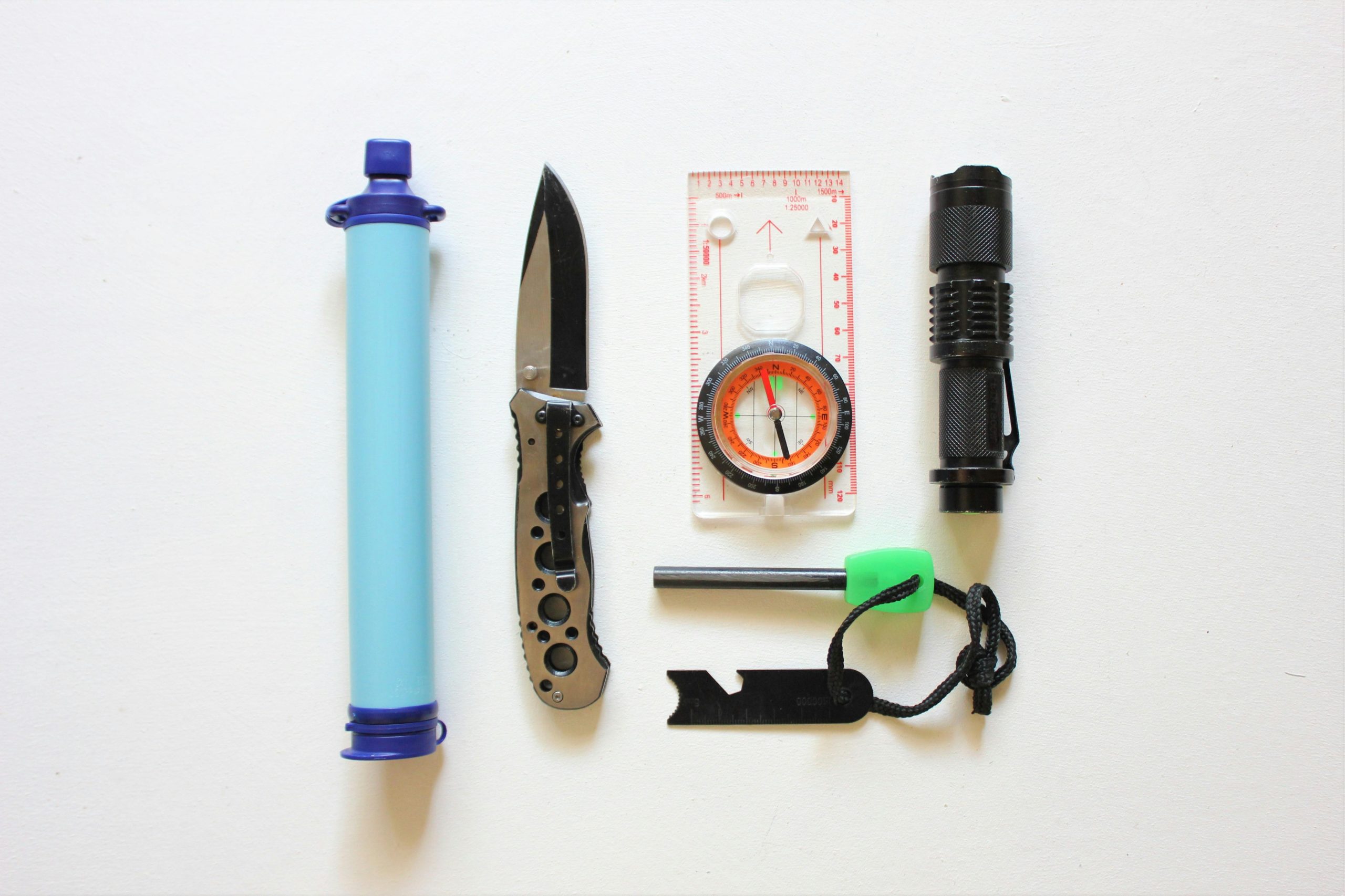
When it comes to surviving a zombie incident, the key to making it through safely is preparation. A well-stocked survival kit can mean the difference between life and death, but with so many options on the market, it’s important to know which items are truly essential and which are overrated. In this post, we’ll help you navigate the overwhelming world of survival gear and get you on the path to creating the most effective and practical zombie survival kit.
The Essentials: What You Really Need for Survival
The best zombie survival kits are compact, functional, and designed to cover the basic needs for long-term survival: food, water, shelter, safety, and medical supplies. Let’s break it down into the key categories that should be prioritized.
1. Water and Water Filtration
Water is essential for survival, and during a crisis, access to clean water may become scarce. A good survival kit should include both:
- Water bottles: At least one durable, refillable water bottle.
- Water purification tablets or a filtering system: These can make contaminated water safe to drink.
- Portable water containers: In case you need to collect water from natural sources.
Carrying enough water to stay hydrated for at least 24-48 hours is critical, but a filtration system allows you to gather fresh water from streams or rivers, ensuring you don’t run out.
2. Food and Snacks
A reliable food source is crucial, especially since you may be on the move or unable to find food sources in a city overrun with zombies. Non-perishable, high-energy foods are ideal:
- Freeze-dried meals: These are lightweight, compact, and can be rehydrated easily.
- Canned food: Stock up on cans with pull tabs (easy to open without tools).
- High-calorie snacks: Granola bars, energy bars, or jerky provide quick energy.
The goal is to have enough food to sustain you for a few days without adding too much weight to your kit. These foods also need to be quick to prepare, as time and resources may be limited.
3. First Aid Kit
In any survival situation, injuries are likely. A comprehensive first aid kit should include the basics:
- Bandages, gauze, and tape: For stopping bleeding or dressing wounds.
- Antiseptic wipes and ointments: To prevent infection.
- Painkillers: Essential for dealing with aches, injuries, or other discomforts.
- Tweezers: Useful for splinters, insect stings, or removing debris.
A well-stocked medical kit is a must-have in any survival situation. You never know when you might get injured, so having the right supplies can help you manage until you can get proper medical attention.
4. Weapons and Defense Tools
While avoiding zombies is the ultimate goal, sometimes self-defense becomes necessary. Choosing the right weapons and tools can make a huge difference:
- Melee weapons: A sturdy axe, crowbar, or machete can be used for both defense and utility. They’re silent and don’t require ammunition, which makes them ideal for a stealthy escape.
- Firearms (if legally available): A compact, reliable firearm, such as a pistol, can be essential for defense. Keep in mind that ammo is heavy, so don’t overstock.
- Pepper spray or a flare gun: For non-lethal options that can temporarily incapacitate threats.
The key is to find weapons that are practical, effective, and suited to your environment. You don’t need to go overboard—focus on having a few reliable tools rather than overloading your kit with unnecessary gear.
5. Shelter and Warmth
You may need to stay out in the elements or in an unsafe environment for an extended period, so having shelter and warmth is crucial:
- Tarp or emergency blanket: Lightweight and compact, these can keep you dry and warm in the event of bad weather.
- Sleeping bag or bivvy sack: If you’re on the move, these provide warmth and protection.
- Tent or small shelter: For longer stays, especially if you’re away from buildings.
Your shelter should be easy to set up and capable of protecting you from the elements. Being exposed to the weather or unable to get shelter could compromise your chances of survival.
The Overrated: What You Don’t Really Need
There are many survival products that, while marketed as essential, aren’t really necessary for most situations. Let’s take a look at what to avoid:
1. Too Many High-Tech Gadgets
While it might seem appealing to stock your kit with all the latest gadgets, technology might fail you in a zombie apocalypse. Items like solar-powered chargers, high-tech multi-tools, or flashlights that require specialized batteries are not worth the investment.
In an emergency, you won’t have time to tinker with complex devices, and relying too much on tech may leave you without the basics when it fails. Stick to simple, reliable tools that can be used in a wide variety of situations.
2. Excessive Firearms and Ammunition
While a weapon can be essential for self-defense, stocking up on too many firearms and a massive amount of ammunition can quickly weigh you down. Ammo is heavy, and firearms require regular maintenance. Too many weapons can also complicate your travel and make you a target.
Instead, choose one or two reliable firearms and keep your ammunition stock reasonable. Melee weapons, such as an axe or crowbar, offer much-needed silence and versatility, especially if you’re trying to avoid attracting zombies.
3. Luxurious Comfort Items
Survival is about practicality, and comfort can take a backseat. Avoid packing things like pillows, luxury toiletries, or unnecessary gadgets that will only weigh you down.
While hygiene and comfort are important, there are simpler, lighter alternatives to these items. Focus on essential survival gear and leave behind the comforts of home.
4. Overloaded “Survival Kits”
There’s no shortage of prepackaged survival kits out there, but many of them come with items you don’t need. Some might include excessive amounts of tools or gadgets that are of little use in a zombie incident. Before buying any pre-made survival kits, make sure to go through the contents and prioritize what will truly help you in an emergency.
Final Thoughts
When assembling a zombie survival kit, it’s essential to focus on the basics: food, water, medical supplies, tools for defense, and shelter. Avoid overloading your pack with unnecessary gadgets or too much ammunition. A compact, efficient kit will allow you to survive and stay safe during a crisis while keeping you agile and prepared for anything that comes your way. Remember: survival is about practicality, so choose your gear wisely and focus on what really matters.