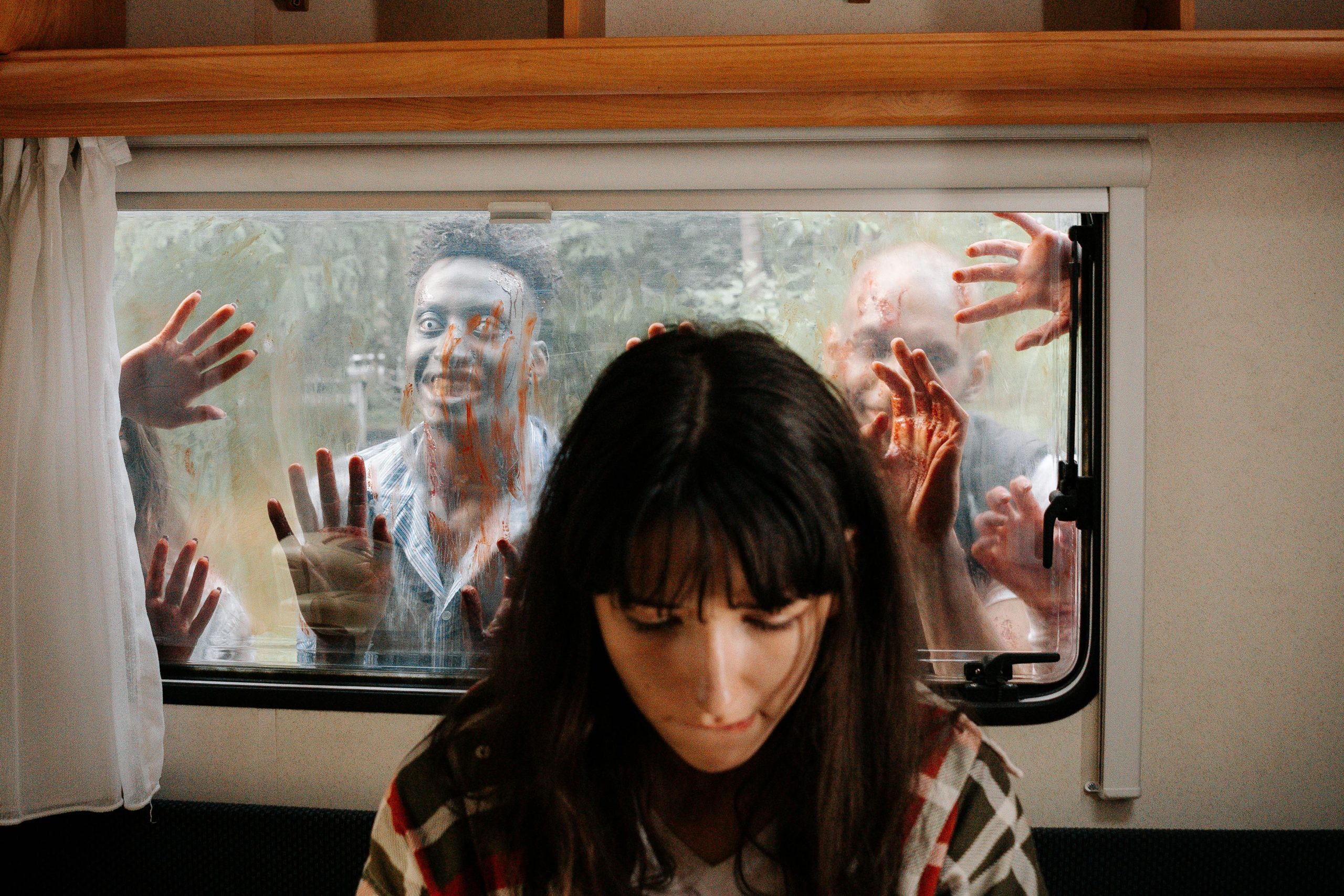
Zombies are real. While many still consider them creatures of fiction, the truth is undeniable. But fear not: thanks to the tireless efforts of teams like ours, whose sole responsibility is to ensure that outbreaks do not escalate into a full-scale apocalypse. We’re here to make sure the undead don’t get the best of us, and that humanity survives, adapts, and thrives.
We know that with the right strategies, leadership, and resilience, we can manage the crisis and prevent an apocalypse. In many ways, the lessons learned from history’s greatest survivors hold the key to our survival today. These heroes faced unimaginable challenges, yet they persevered and lived to tell their stories. By understanding their experiences and applying their strategies, we can not only survive but come out stronger in the face of the zombie threat.
In this blog post, we’ll explore the survival tactics of history’s most enduring heroes and how their wisdom can help us navigate this world of the undead.
1. Ernest Shackleton: Leadership in Times of Crisis
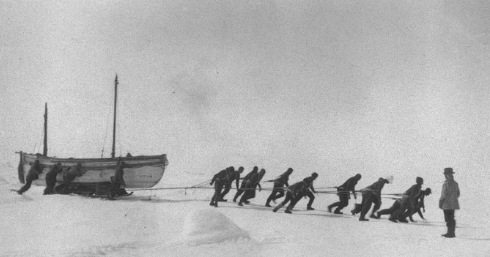
In 1914, Sir Ernest Shackleton and his crew embarked on an expedition to cross Antarctica. However, when their ship, Endurance, was trapped in ice, Shackleton’s crew faced the very real threat of death in one of the most unforgiving environments on Earth. Shackleton’s leadership was key to their survival. He kept his crew motivated, focused, and together, despite being stranded in the ice for over a year. Every single crew member made it home alive.
In our world today, the outbreak of zombies presents a similar kind of existential threat. Leadership in times of crisis is paramount. The undead may be closing in, but with strong leadership—focused on keeping morale high and the group united—we can manage the crisis. Shackleton showed us that survival is not just about physical strength but about the ability to lead with hope, strategy, and compassion.
What we can learn: If the zombie threat ever feels like it’s spiraling out of control, it’s essential to have strong leaders who can maintain calm and guide the group to safety. Unity and determination will keep us going even in the darkest times.
2. Anne Frank: Resilience and Hope Amidst Fear
When Anne Frank went into hiding in 1942 to escape Nazi persecution, she found herself in an incredibly dangerous and uncertain situation. Her family hid for over two years, always at risk of being discovered. Despite the constant fear, Anne found strength through her writing and maintained hope for a better future. Her story, preserved in The Diary of a Young Girl, is one of survival not only of the body but of the spirit.
In a world where zombies roam the streets, it’s easy to lose hope. But, like Anne, we must hold onto our resilience. Even when it feels like the world around us is collapsing, we must keep our mental health intact. Isolated in shelters or on the move, it’s essential to remember that survival is not just about avoiding the zombies; it’s about preserving our sense of self, our communities, and our hope for the future.
What we can learn: Mental strength is just as vital as physical survival. Resilience and the ability to maintain hope will help humanity weather the zombie outbreak and rise again when the threat is under control.
3. The Wright Brothers: Innovation and Adaptation in a Changing World
In 1903, Orville and Wilbur Wright accomplished the impossible: they built and flew the first powered airplane. This achievement didn’t come without setbacks—years of failure, limited resources, and skepticism from the world—but through creativity, persistence, and innovation, the Wright brothers tackled these barriers and changed the world.
Innovation will be a key component in surviving the zombie outbreak. Whether it’s developing new ways to defend ourselves, creating technologies to track the undead, or finding alternative food and water sources, we need to adapt quickly. The Wright brothers didn’t let failure stop them, and neither should we. By embracing creative problem-solving and pushing the boundaries of what’s possible, we can outwit the zombies and stay one step ahead.
What we can learn: Innovation and adaptability are vital to surviving the zombie outbreak. We must constantly look for new solutions and be willing to change our strategies as the situation evolves.
4. Rosa Parks: Courage and Moral Integrity in the Face of Oppression
Rosa Parks’ act of defiance on a segregated bus in 1955 was a pivotal moment in the Civil Rights Movement. Her decision to stand her ground in the face of injustice inspired millions. In the context of a zombie outbreak, the survival of our communities and our values will be just as important as the fight for physical survival. The zombie apocalypse might tempt people to turn on each other, but our humanity and sense of right and wrong must endure.
As we face this threat, it’s important not only to survive but to ensure that we hold onto the principles of justice, equality, and compassion. Whether it’s ensuring that resources are distributed fairly or fighting against those who would take advantage of the situation, Rosa Parks’ courage reminds us that doing the right thing in times of crisis is key to preserving a just society.
What we can learn: Courage and moral integrity are essential during a crisis. Standing up for what’s right, even when it’s difficult, will help us maintain a sense of justice in the midst of chaos.
5. Alexander Solzhenitsyn: Surviving with Dignity
When Alexander Solzhenitsyn was imprisoned in a Soviet labor camp, he faced unimaginable hardship. But instead of succumbing to the dehumanizing forces around him, he held onto his dignity and inner strength. He documented his experiences in The Gulag Archipelago, sharing with the world the power of the human spirit to survive even the worst conditions.
In the world of the undead, there may be times when we face brutality, suffering, and loss. But like Solzhenitsyn, we must never lose sight of our humanity. Maintaining our dignity and sense of self in the face of constant fear is what will ultimately allow us to rebuild when the storm has passed. Even when the world around us seems broken, we must stay grounded in our values.
What we can learn: Inner strength and dignity will be key to surviving the psychological toll of a zombie outbreak. No matter what horrors we face, we must hold on to the things that make us human.
Preventing the Apocalypse: A Path Forward
As those tasked with ensuring the zombie outbreak doesn’t turn into a full-blown apocalypse, we take inspiration from history’s greatest survivors. These heroes faced overwhelming odds, but they showed us that survival is possible if we embrace leadership, resilience, innovation, courage, and moral integrity.
The undead may walk the earth, but humanity has faced and overcome impossible odds before. With the right mindset, strategies, and unity, we can ensure the survival of the human race. The lessons of the past provide us with the tools we need to prevent a zombie apocalypse and rebuild a world where the living can thrive.As we continue to fight this battle, we remain committed to protecting humanity’s future, ensuring that the zombie threat is contained, and that an apocalypse never comes to pass. Together, we will survive—and emerge from this darkness stronger than ever.