
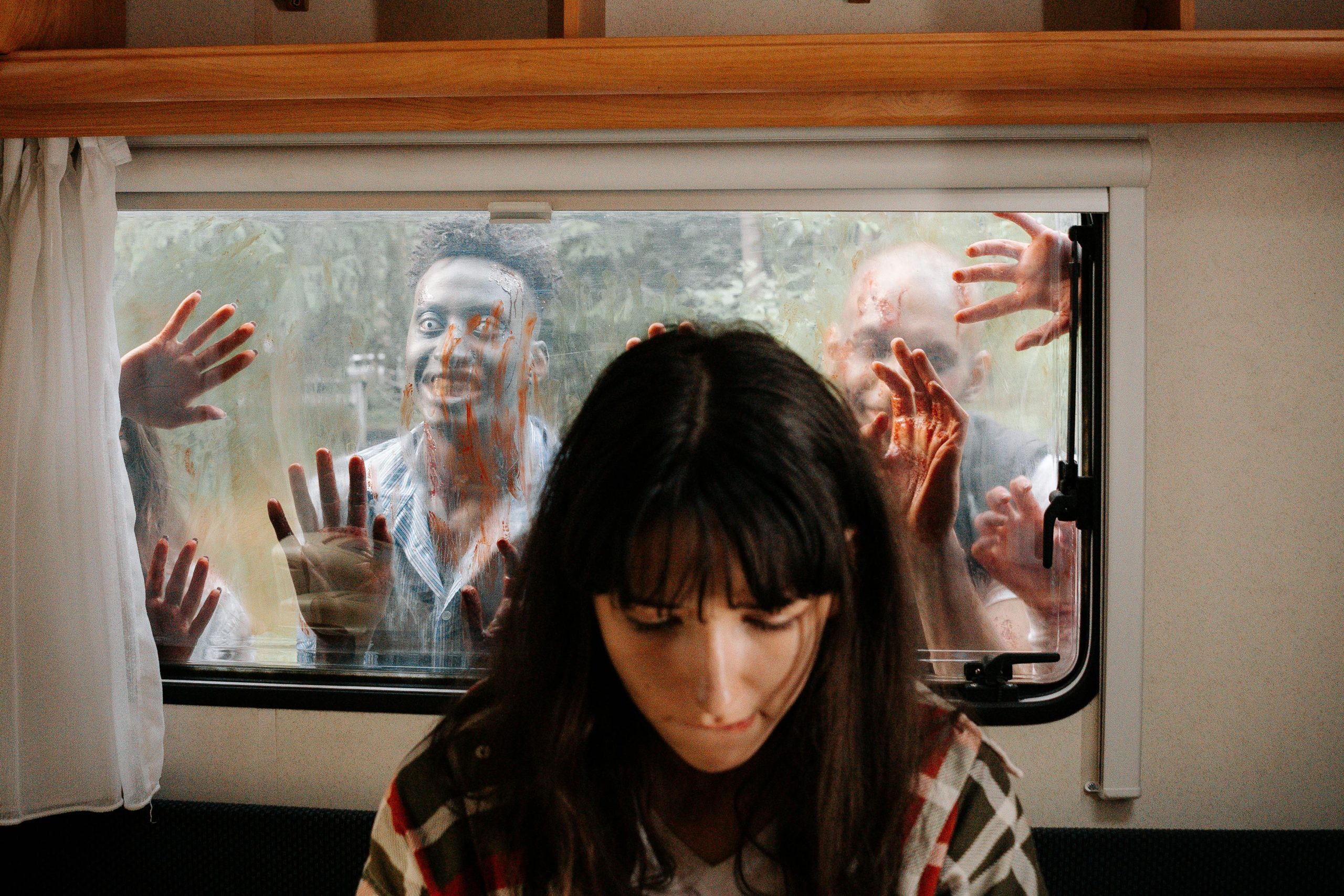
In a world overrun by zombies, the line between survival and demise can be shockingly thin. Fiction often romanticizes or dramatizes survival scenarios, while real-life survival stories present a more complex and nuanced reality. Comparing fictional tales with actual survival experiences reveals profound insights into the nature of fear, resilience, and human ingenuity. Let’s explore some iconic survival stories from fiction and contrast them with real-life survival scenarios to understand what sets them apart and what we can learn from both.
1. Fictional Survival Stories
The “Last Stand” Scenario:
In movies and novels, the “last stand” is a popular trope. Characters, often against overwhelming odds, make a final, heroic stand, sacrificing themselves to protect others or achieve a last-minute victory. Think of films like Night of the Living Dead where survivors make a desperate stand against a zombie horde, ultimately meeting tragic fates.
Key Takeaways:
- Heroism and Sacrifice: Fiction often glorifies self-sacrifice and heroic last stands, emphasizing dramatic confrontations and high stakes.
- Finality and Resolution: These stories provide clear, dramatic conclusions, underscoring the themes of courage and finality.
2. Real-Life Survival Stories
The Harsh Reality of Survival:
In contrast, real-life survival stories are often less glamorous but equally compelling. Consider the experiences of individuals who have survived extreme situations, such as natural disasters or hostile environments. For example, the tale of a hiker who survived a grueling ordeal by improvising makeshift tools and enduring severe conditions showcases raw human perseverance and ingenuity.
Key Takeaways:
- Practical Adaptation: Real-life survival often involves practical problem-solving, resourcefulness, and adaptation rather than grand heroic gestures.
- Endurance and Resilience: Surviving extreme conditions requires a focus on endurance and mental fortitude, often with long-term strategies rather than short-lived, dramatic confrontations.
3. Comparing Fiction vs. Reality
Preparedness and Planning:
- Fiction: Characters in fiction often find themselves in sudden and dire situations with little preparation, relying on instinctive bravery or last-minute solutions.
- Reality: Successful real-life survivors typically emphasize extensive preparation and planning. They assess risks, gather resources, and develop strategies well before facing crises.
Mental and Emotional Responses:
- Fiction: Emotional responses in fiction can be highly dramatic, with characters displaying extreme fear or heroic resolve in response to immediate threats.
- Reality: Real-life survivors often face complex emotional challenges, including fear, stress, and mental fatigue. Their stories frequently highlight the importance of mental resilience and emotional management over dramatic heroism.
Survival Techniques:
- Fiction: Fictional survivors often use high-impact, visually striking techniques, such as building elaborate fortifications or engaging in combat with zombies.
- Reality: Practical survival involves a range of less glamorous techniques, such as scavenging, first aid, and crafting simple tools. Real-life stories often emphasize the importance of basic survival skills and the ability to improvise.
4. Lessons Learned from Fiction and Reality
Adaptability and Resourcefulness:
Both fiction and reality underscore the importance of adaptability. Fictional characters might face exaggerated or fantastical challenges, but their ability to adapt is a key aspect of their survival. Real-life survivors, too, highlight the need for resourcefulness and flexibility in the face of adversity.
Preparation and Training:
While fiction might portray last-minute heroics, real-world survival stories emphasize the value of preparation and training. Skills such as first aid, navigation, and tactical planning are often the true difference-makers in life-or-death situations.
Psychological Strength:
Surviving a zombie apocalypse—or any extreme situation—requires psychological strength. Fiction might dramatize emotional highs and lows, but real-life survivors demonstrate the importance of mental resilience, emotional control, and maintaining hope even in the direst circumstances.
The contrast between fictional survival stories and real-life experiences offers valuable insights into what it takes to navigate a zombie apocalypse or any extreme situation. While fiction provides thrilling narratives and dramatic conclusions, real-life survival emphasizes practical skills, emotional resilience, and thorough preparation.
Both realms teach us crucial lessons about facing adversity: that heroism is not just about grand gestures but about the quiet, persistent strength to endure and adapt. As we imagine ourselves in a world overrun by zombies, let’s take inspiration from both fictional heroes and real-life survivors to build our own strategies for resilience and survival.