Survival doesn’t require a complete overhaul of your wardrobe, but it does mean making smarter, more practical clothing choices that can help you stay safe and mobile in a crisis. With a little strategic planning, you can use everyday clothing to keep yourself protected, comfortable, and ready to face whatever comes your way.
Zombie Hygiene: Staying Clean When the World’s a Mess
When zombies are a constant threat, staying clean might not be your top priority, but it’s essential for your survival. Hygiene helps prevent illness, boosts morale, and keeps you strong in the face of danger.
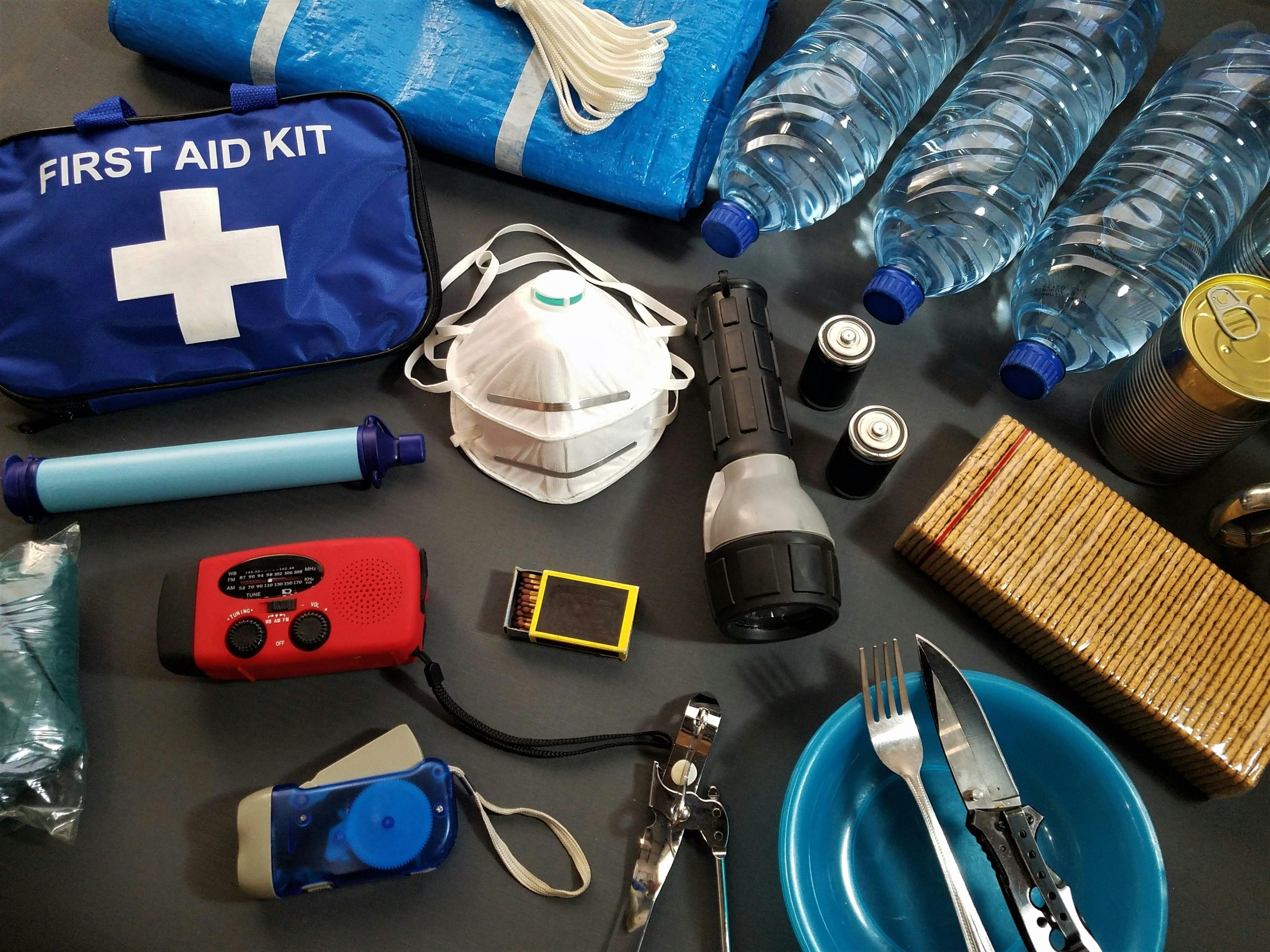
How to Build a Survival Kit: Essentials for Every Family Member
it’s crucial for every family to be prepared. Building a survival kit that addresses the needs of all family members can make the difference between life and death in an emergency
Zombie Response: What We Can Learn From History’s Survival Heroes
Zombies are real. While many still consider them creatures of fiction, the truth is undeniable. But fear not: thanks to the tireless efforts of teams like ours, whose sole responsibility is to ensure that outbreaks do not escalate into a full-scale apocalypse. We’re here to make sure the undead don’t get the best of us, and that humanity survives, adapts, and thrives.
We know that with the right strategies, leadership, and resilience, we can manage the crisis and prevent an apocalypse. In many ways, the lessons learned from history’s greatest survivors hold the key to our survival today. These heroes faced unimaginable challenges, yet they persevered and lived to tell their stories. By understanding their experiences and applying their strategies, we can not only survive but come out stronger in the face of the zombie threat.
In this blog post, we’ll explore the survival tactics of history’s most enduring heroes and how their wisdom can help us navigate this world of the undead.
1. Ernest Shackleton: Leadership in Times of Crisis
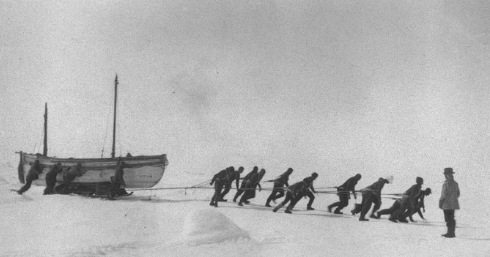
In 1914, Sir Ernest Shackleton and his crew embarked on an expedition to cross Antarctica. However, when their ship, Endurance, was trapped in ice, Shackleton’s crew faced the very real threat of death in one of the most unforgiving environments on Earth. Shackleton’s leadership was key to their survival. He kept his crew motivated, focused, and together, despite being stranded in the ice for over a year. Every single crew member made it home alive.
In our world today, the outbreak of zombies presents a similar kind of existential threat. Leadership in times of crisis is paramount. The undead may be closing in, but with strong leadership—focused on keeping morale high and the group united—we can manage the crisis. Shackleton showed us that survival is not just about physical strength but about the ability to lead with hope, strategy, and compassion.
What we can learn: If the zombie threat ever feels like it’s spiraling out of control, it’s essential to have strong leaders who can maintain calm and guide the group to safety. Unity and determination will keep us going even in the darkest times.
2. Anne Frank: Resilience and Hope Amidst Fear
When Anne Frank went into hiding in 1942 to escape Nazi persecution, she found herself in an incredibly dangerous and uncertain situation. Her family hid for over two years, always at risk of being discovered. Despite the constant fear, Anne found strength through her writing and maintained hope for a better future. Her story, preserved in The Diary of a Young Girl, is one of survival not only of the body but of the spirit.
In a world where zombies roam the streets, it’s easy to lose hope. But, like Anne, we must hold onto our resilience. Even when it feels like the world around us is collapsing, we must keep our mental health intact. Isolated in shelters or on the move, it’s essential to remember that survival is not just about avoiding the zombies; it’s about preserving our sense of self, our communities, and our hope for the future.
What we can learn: Mental strength is just as vital as physical survival. Resilience and the ability to maintain hope will help humanity weather the zombie outbreak and rise again when the threat is under control.
3. The Wright Brothers: Innovation and Adaptation in a Changing World
In 1903, Orville and Wilbur Wright accomplished the impossible: they built and flew the first powered airplane. This achievement didn’t come without setbacks—years of failure, limited resources, and skepticism from the world—but through creativity, persistence, and innovation, the Wright brothers tackled these barriers and changed the world.
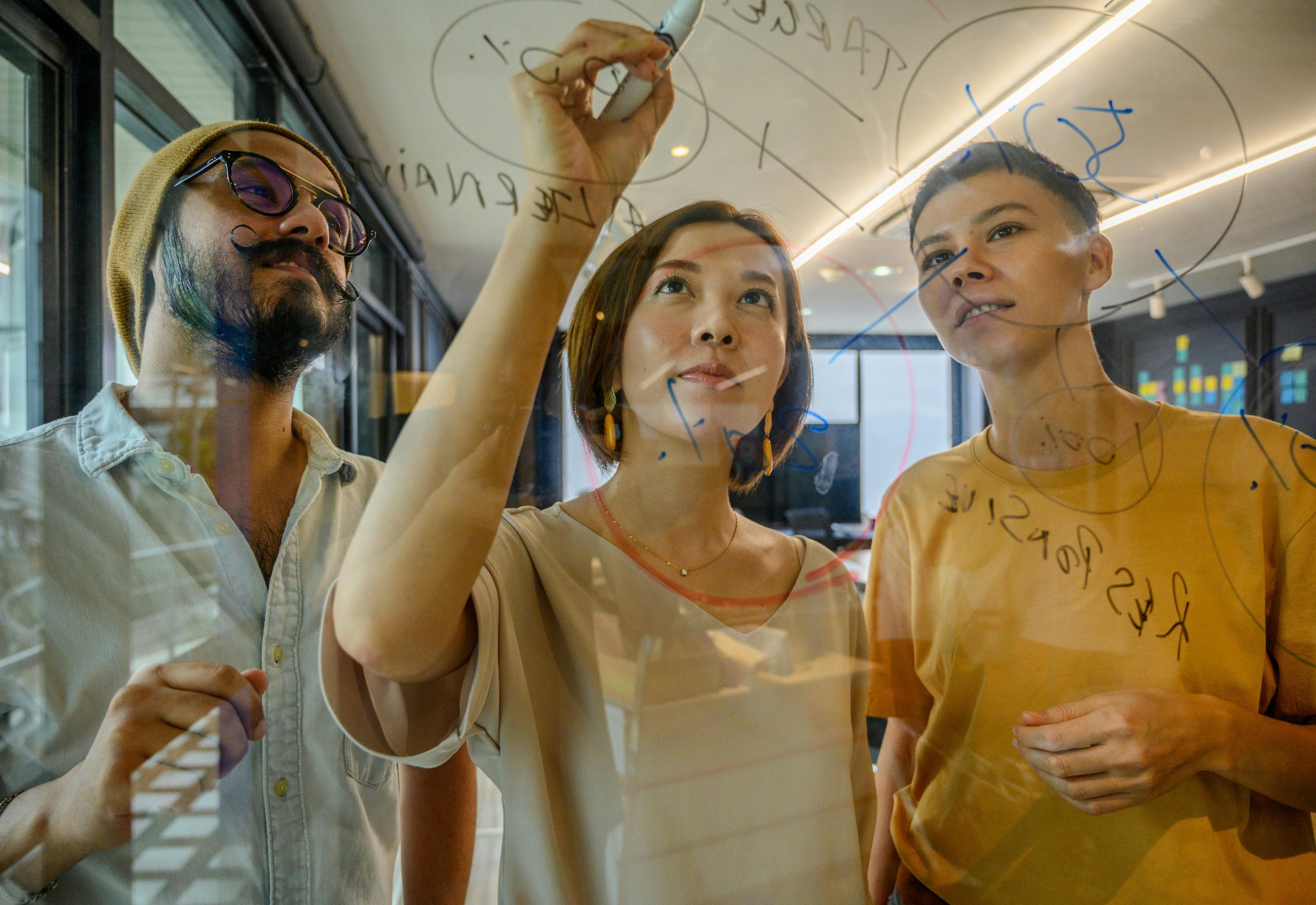
Innovation will be a key component in surviving the zombie outbreak. Whether it’s developing new ways to defend ourselves, creating technologies to track the undead, or finding alternative food and water sources, we need to adapt quickly. The Wright brothers didn’t let failure stop them, and neither should we. By embracing creative problem-solving and pushing the boundaries of what’s possible, we can outwit the zombies and stay one step ahead.
What we can learn: Innovation and adaptability are vital to surviving the zombie outbreak. We must constantly look for new solutions and be willing to change our strategies as the situation evolves.
4. Rosa Parks: Courage and Moral Integrity in the Face of Oppression
Rosa Parks’ act of defiance on a segregated bus in 1955 was a pivotal moment in the Civil Rights Movement. Her decision to stand her ground in the face of injustice inspired millions. In the context of a zombie outbreak, the survival of our communities and our values will be just as important as the fight for physical survival. The zombie apocalypse might tempt people to turn on each other, but our humanity and sense of right and wrong must endure.
As we face this threat, it’s important not only to survive but to ensure that we hold onto the principles of justice, equality, and compassion. Whether it’s ensuring that resources are distributed fairly or fighting against those who would take advantage of the situation, Rosa Parks’ courage reminds us that doing the right thing in times of crisis is key to preserving a just society.
What we can learn: Courage and moral integrity are essential during a crisis. Standing up for what’s right, even when it’s difficult, will help us maintain a sense of justice in the midst of chaos.
5. Alexander Solzhenitsyn: Surviving with Dignity
When Alexander Solzhenitsyn was imprisoned in a Soviet labor camp, he faced unimaginable hardship. But instead of succumbing to the dehumanizing forces around him, he held onto his dignity and inner strength. He documented his experiences in The Gulag Archipelago, sharing with the world the power of the human spirit to survive even the worst conditions.
In the world of the undead, there may be times when we face brutality, suffering, and loss. But like Solzhenitsyn, we must never lose sight of our humanity. Maintaining our dignity and sense of self in the face of constant fear is what will ultimately allow us to rebuild when the storm has passed. Even when the world around us seems broken, we must stay grounded in our values.
What we can learn: Inner strength and dignity will be key to surviving the psychological toll of a zombie outbreak. No matter what horrors we face, we must hold on to the things that make us human.
Preventing the Apocalypse: A Path Forward
As those tasked with ensuring the zombie outbreak doesn’t turn into a full-blown apocalypse, we take inspiration from history’s greatest survivors. These heroes faced overwhelming odds, but they showed us that survival is possible if we embrace leadership, resilience, innovation, courage, and moral integrity.
The undead may walk the earth, but humanity has faced and overcome impossible odds before. With the right mindset, strategies, and unity, we can ensure the survival of the human race. The lessons of the past provide us with the tools we need to prevent a zombie apocalypse and rebuild a world where the living can thrive.As we continue to fight this battle, we remain committed to protecting humanity’s future, ensuring that the zombie threat is contained, and that an apocalypse never comes to pass. Together, we will survive—and emerge from this darkness stronger than ever.
Medieval Alchemy and Survival: Can Ancient Techniques Provide Solutions in a Zombie World?
In the chaotic zombie reality, survival often hinges on finding innovative solutions to pressing problems. Medieval alchemy, an ancient practice shrouded in mystery and myth, might seem like an unlikely source of answers. However, its principles and techniques could offer valuable insights and practical solutions in a world overrun by zombies.
Famous Last Words: Survival Stories from Fiction vs. Reality in a Zombie Apocalypse
In a world overrun by zombies, the line between survival and demise can be shockingly thin. Fiction often romanticizes or dramatizes survival scenarios, while real-life survival stories present a more complex and nuanced reality.
Post-Apocalyptic Gardening: Growing Food in a Zombie World
In a world ravaged by zombies, the quest for survival goes beyond merely evading the undead—it extends to finding sustainable sources of food. Traditional methods of agriculture may no longer be feasible, but with some ingenuity and adaptability, gardening can still play a crucial role in a post-apocalyptic setting. Here’s how you can cultivate a thriving garden amid the chaos of a zombie-infested world.
The Role of Artificial Intelligence in Zombie Combat: Enhancing Human Efforts
In a world where zombies are an ever-present threat, integrating Artificial Intelligence (AI) into our combat strategies is not just an option—it’s a necessity. AI technologies are revolutionizing our approach to battling the undead, offering crucial advancements in strategic planning, autonomous defense, and real-time operations. Here’s how AI can elevate our fight against zombies:
1. Strategic Planning and Simulation
Why AI Matters:
Strategic planning during a zombie outbreak is critical. Predicting zombie movements, managing safe zones, and allocating resources effectively are key to survival. AI can transform these processes through sophisticated simulations and predictive analytics.
How AI Helps:
- Predictive Modeling: AI algorithms analyze historical data to forecast zombie behavior and movement patterns.
- Resource Optimization: AI optimizes resource distribution based on predicted needs, maximizing our defensive capabilities.
Example:
AI-driven platforms like Simudyne model complex scenarios to help develop effective strategies. Simudyne
2. Autonomous Defense Systems
Why AI Matters:
Autonomous systems can provide real-time responses to zombie threats, acting faster than humans and reducing breaches in our defenses.
How AI Helps:
- Robotic Sentinels: AI-powered drones and ground robots patrol and neutralize threats autonomously.
- Smart Barriers: AI controls automated barriers that adapt to evolving threats.
Example:
The Boston Dynamics Spot robot, equipped with advanced AI, is ideal for patrol and reconnaissance tasks. Boston Dynamics
3. Enhanced Communication and Coordination
Why AI Matters:
Effective communication and coordination are essential for managing groups and responding to threats. AI enhances these aspects, streamlining updates and decision-making.
How AI Helps:
- AI-Driven Communication Platforms: AI-integrated tools facilitate real-time updates and coordination between units.
- Natural Language Processing: AI translates and relays critical information swiftly, overcoming language barriers.
Example:
AI-enhanced Slack platforms provide real-time analytics and decision support. Slack
4. Surveillance and Threat Detection
Why AI Matters:
Surveillance systems equipped with AI offer continuous monitoring and early warning of zombie threats. Advanced imaging and pattern recognition improve threat detection.
How AI Helps:
- Facial Recognition and Movement Tracking: AI tracks and identifies zombies based on movement patterns and visual recognition.
- Anomaly Detection: AI detects unusual behavior or breaches, triggering automatic alerts.
Example:
Hikvision’s AI-powered surveillance systems excel in motion detection and facial recognition. Hikvision
5. AI-Enhanced Training and Simulation
Why AI Matters:
Realistic training scenarios are crucial for preparing for a zombie apocalypse. AI provides immersive training environments and adapts scenarios based on performance.
How AI Helps:
- Virtual Reality Training: AI-driven VR platforms create realistic training environments.
- Adaptive Learning: AI adjusts training scenarios to ensure effective skill development.
Example:
VirtaMed offers AI-enhanced VR training modules for tactical and survival training. VirtaMed
Conclusion
The role of Artificial Intelligence in combating zombies is transformative. From strategic planning and autonomous defenses to enhanced communication and training, AI technologies are reshaping our approach to survival. By harnessing these advancements, we improve our chances of outsmarting the undead and securing our future. As AI continues to evolve, so will our strategies and solutions in this ongoing battle against the apocalypse.
Sources:
Zombie Readiness Society is not an affiliate of any the corporations below and receive no financial compensation if you click on the links.
Urban Planning in a Zombie-Infested World: Strategies for Safe Zones and Sustainable Living
As an urban planner specializing in sustainable development, the prospect of designing and managing safe zones in a world overrun by zombies presents both daunting challenges and unique opportunities. In this blog post, I delve into the strategic considerations and innovative solutions essential for creating resilient communities amidst the chaos of the zombie apocalypse.
Assessing Urban Vulnerabilities
In the aftermath of a zombie outbreak, urban areas face immediate threats from overcrowding, limited resources, and compromised infrastructure. Understanding the vulnerabilities of urban environments—such as densely populated areas, narrow streets, and high-rise buildings—provides a foundation for developing effective survival strategies and urban planning interventions.
Designing Defensible Spaces
The principles of defensible space theory, originally applied to crime prevention, are adapted to mitigate the risks posed by zombies. Designing safe zones with clear boundaries, controlled access points, and reinforced perimeters enhances security and minimizes the risk of undead incursions. Incorporating natural barriers, such as rivers or forests, and leveraging existing infrastructure for defense are critical considerations.
Sustainable Resource Management
In a world where resources are scarce and the environment is under constant threat, adopting sustainable practices becomes imperative. Implementing rainwater harvesting systems, rooftop gardens for food production, and renewable energy sources not only promote self-sufficiency but also reduce reliance on external supply chains vulnerable to disruption.
Community Engagement and Governance
Effective urban planning in a zombie-infested world requires strong community engagement and participatory governance. Establishing decentralized decision-making processes, fostering communication networks, and empowering local leadership enhance resilience and adaptive capacity. Encouraging community cohesion through shared responsibilities and collective decision-making fosters a sense of ownership and solidarity.
Resilient Infrastructure and Adaptive Design
Investing in resilient infrastructure, such as reinforced shelters, emergency evacuation routes, and communication systems, strengthens urban resilience against zombie attacks and other hazards. Adaptive design principles, including flexibility in land use and modular construction, allow for rapid adjustments in response to evolving threats and changing survivor needs.I
Conclusion: Building Resilient Communities
As urban planners navigate the complexities of designing safe zones in a zombie-infested world, they play a crucial role in shaping the future of humanity. By integrating defensible design principles, sustainable resource management strategies, and community-centered governance practices, we can create resilient communities capable of withstanding the challenges of the apocalypse.
In the face of uncertainty and adversity, urban planning becomes a catalyst for survival, resilience, and the preservation of human civilization. As we envision the cities of tomorrow amidst the chaos of today, let us embrace innovation, collaboration, and sustainable practices to build a brighter future in a world reshaped by the undead.
Stay resilient, stay visionary, and above all—stay safe.
African Zombie History
Africa has its own rich traditions of stories involving the undead or similar creatures. Here are a few examples:
- Nzambi (Central Africa): In some Central African traditions, the term “nzambi” refers to spirits or deities, but in some contexts, it can also refer to the dead or undead. These beings are sometimes believed to return to the living world with a specific purpose.
- Adze (Ghana/Togo): The Adze is a vampiric being in the folklore of the Ewe people of Ghana and Togo. It can transform into a firefly and enter the body of a human, possessing them. While not a zombie in the modern sense, the idea of possession and the undead nature of the Adze has parallels.
- Sasabonsam (Ashanti, Ghana): The Sasabonsam is a vampire-like figure in Ashanti folklore. It is often depicted as a monstrous being that lives in the forests and preys on humans. While not a traditional zombie, the Sasabonsam is part of the broader African folklore involving supernatural creatures and the undead.
- Tokoloshe (Southern Africa): The Tokoloshe is a mischievous and sometimes malevolent spirit or creature in Zulu and Xhosa mythology. It is often described as a dwarf-like being that can become invisible and cause harm to people. Though not a zombie, the Tokoloshe represents another form of supernatural being that interacts with the living world.
- Kikuyu (Kenya): In Kikuyu mythology, there are stories of the dead returning to the living world, particularly those who have died violently or unjustly. These spirits, known as “ngoma,” are believed to haunt the living until they are appeased.
These stories and myths reflect the diverse and rich tapestry of African folklore, where the line between the living and the dead is often fluid, and the supernatural plays a significant role in cultural narratives.